


Xuthoria / Wikimedia Commons
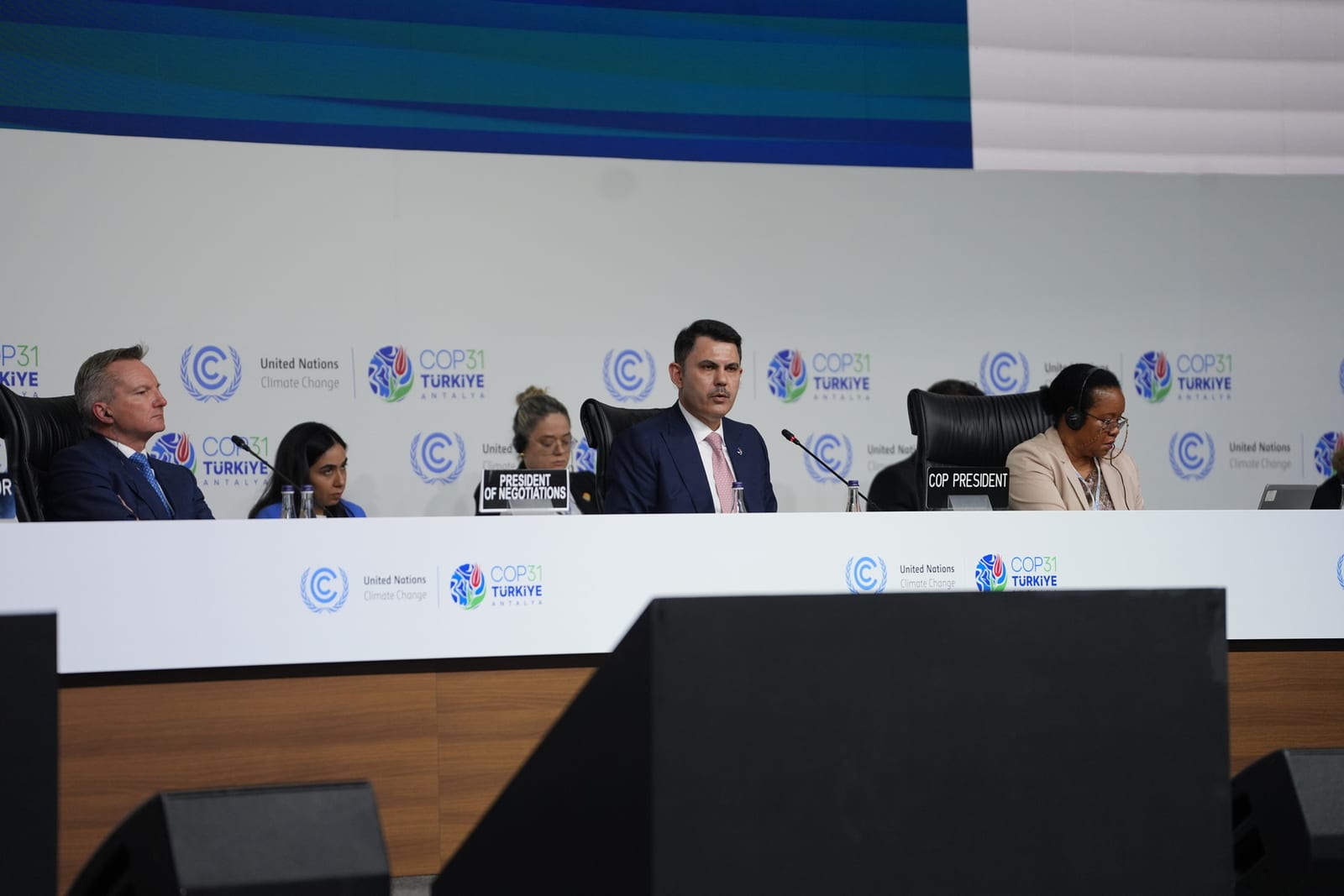
Antalya ended without agreement on an umbrella climate pact. At the COP31 closing plenary on 22 November, UN climate chief Simon Stiell acknowledged the failure to agree on two presidency-led decisions, while noting that negotiators had agreed on work to support a just transition. The distinction matters. Governments have not withdrawn the 2023 Dubai call to move away from fossil fuels in energy systems. What they have yet to show is how much of that promise will turn into action.
Voluntary efforts on electrification and methane can help, but their results have to be counted. A country can install more solar panels and still burn more coal if electricity demand grows faster than clean generation. India’s renewable energy ministry counted 312.24 gigawatts of installed non-fossil capacity at the end of October. That figure measures what plants can supply under specified conditions, not the electricity they actually produced or the fuel they displaced.
Countries that depend on coal for reliable power and district employment cannot all move at the same speed. India was right at Antalya to press developed countries to meet their finance obligations. Retiring capacity before grids, storage and replacement power are ready can also make electricity less reliable. These constraints argue for a funded timetable, not an open-ended delay.
Before the next summit, India can publish three figures annually: electricity actually generated from coal, electricity generated from non-fossil sources, and what has been spent helping workers and coal districts adapt. Wealthier countries should report finance actually delivered on the same timetable. That would give the next round of talks something harder to argue away: a record of what changed.




