


Bhopal:
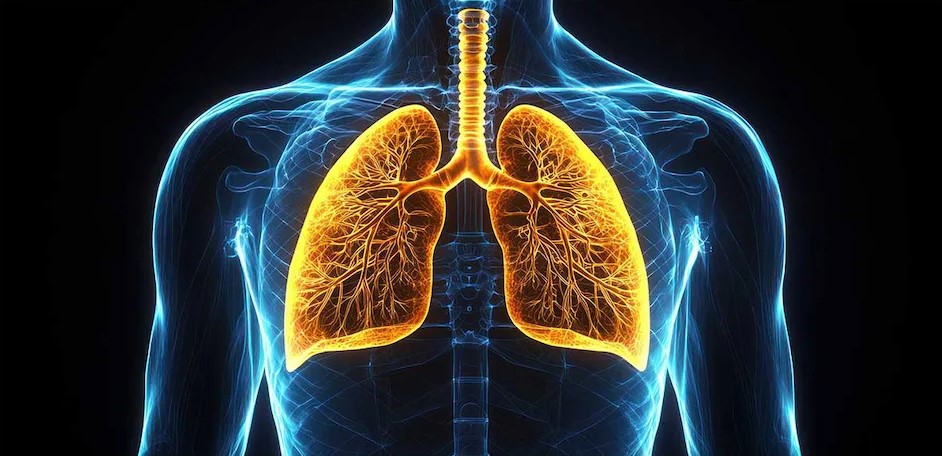
Rising air pollution in several Indian cities is increasingly affecting public health. Fine pollutants present in the air can enter the lungs through breathing and interfere with their normal functioning. Prolonged exposure to polluted air may aggravate symptoms such as persistent coughing, breathlessness, chest tightness and difficulty in breathing. In this context, spirometry is considered a useful test for assessing lung function.
What Is a Spirometry Test?
Spirometry is a common, non-invasive diagnostic test used to measure how well the lungs are functioning. During the procedure, a person is asked to take a deep breath and then exhale forcefully into a tube connected to a specialised machine. The device records the amount of air a person can breathe out and how quickly it can be expelled.
The test primarily measures parameters such as Forced Vital Capacity (FVC) and Forced Expiratory Volume in one second (FEV1). These measurements help doctors assess airflow and identify possible obstruction in the respiratory system.
Who Should Consider the Test?
People experiencing persistent coughing, breathlessness, wheezing or difficulty breathing during physical activity should consult a doctor about undergoing spirometry. The test is also useful in diagnosing and monitoring respiratory conditions such as asthma and Chronic Obstructive Pulmonary Disease (COPD).
For people regularly exposed to polluted air, doctors may recommend the test if respiratory symptoms develop.
However, spirometry cannot detect every type of lung damage caused by air pollution. A normal test result also does not necessarily mean that the lungs are completely unaffected. Therefore, anyone experiencing persistent breathing difficulties should seek medical evaluation rather than relying on a single test.
Hashtags: #Health #Bhopal #Air #Pollution #Can #Damage #Lungs #Spirometry #Test #AirPollutionCanDamage



