


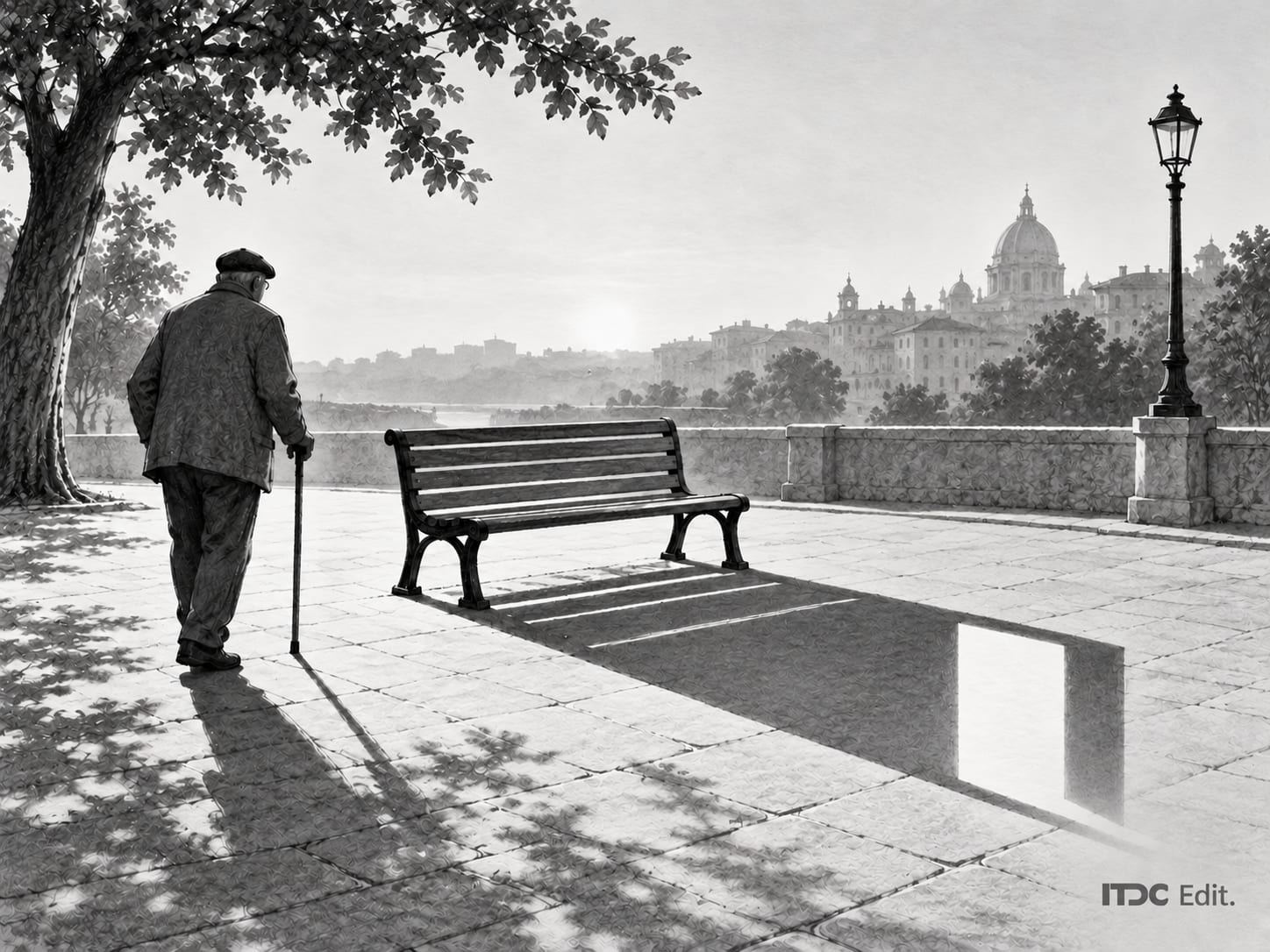
A city that welcomes a pedestrian only while that person keeps moving offers a strangely conditional freedom. Reaching a bus stop, clinic or market should not require buying a drink simply to rest. Free outdoor seating belongs in the ordinary equipment of an accessible street.
India's 2021 accessibility guidelines recommend seats at 30-metre intervals along access routes, particularly near changes in level. This is a design benchmark, not evidence that every street has such provision or a universal statutory guarantee. The same guidance says seats should leave passage clear for pedestrians, wheelchairs and prams. Rest and movement have to be designed together.
Municipalities should begin with actual journeys. Older residents, disabled people and carers can help identify where a pause makes the difference between attempting an outing and abandoning it. A bench concentrated beside a ceremonial gateway is less useful than a maintained seat on the route people need. Shade, a usable surface and supportive backs and arms deserve attention alongside the number installed.
Narrow pavements present a real difficulty. A bench that blocks a wheelchair defeats its own purpose. Where space is constrained, planners should look for nearby recesses or small resting areas, rather than squeeze furniture into the walking line. Maintenance money and a clearly responsible agency should accompany installation. Nor should provision for rest become a pretext for designs intended to punish people who have nowhere else to go.
The proper test is modest: can someone make an ordinary journey at their own pace, with somewhere to pause without paying? A city should answer that question before congratulating itself on how quickly everyone else can pass through.



