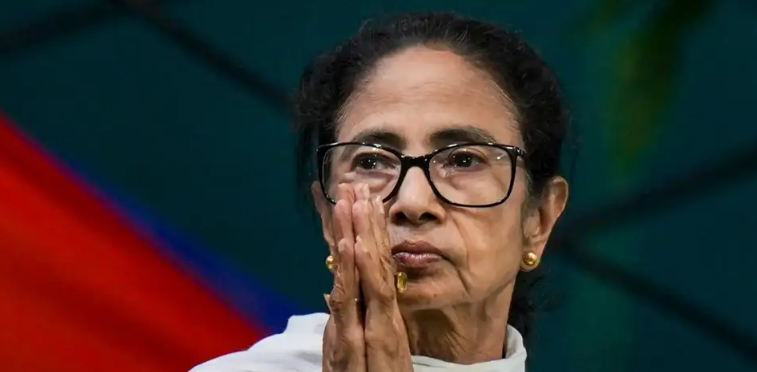
CNN Central News & Network–ITDC India Epress/ITDC News Bhopal: The political landscape of West Bengal has witnessed a notable shift as the traditional Bengali ‘bhadralok’ class appears to be distancing itself from Chief Minister Mamata Banerjee, popularly known as Didi. The bhadralok, historically regarded as the educated, culturally influential and politically aware middle and upper-middle class of Bengal, has long played a decisive role in shaping electoral outcomes in the state. However, recent political developments, governance concerns, changing socio-economic priorities, and emerging opposition narratives have contributed to a gradual erosion of this support base.
Analysts suggest that dissatisfaction among the bhadralok stems from issues such as perceived administrative centralization, concerns over law and order, unemployment, and debates around identity politics versus development politics. At the same time, the rise of alternative political narratives, particularly those emphasizing nationalism and governance reforms, has influenced voter behavior across urban and semi-urban constituencies.
The article explores how this shift is not merely electoral but also cultural and ideological, reflecting a deeper transformation in Bengal’s social structure. Once considered a reliable support base for the ruling party, the bhadralok community now appears more fragmented and politically reassessing its loyalties. This evolving dynamic could significantly impact future elections and reshape the broader political equation in West Bengal, making it a crucial development in Indian regional politics