


Bhopal:
Many people living with high blood pressure stop adding extra salt to their meals but still struggle to keep their readings under control. One possible reason is hidden sodium in everyday food products. According to experts, sodium is not found only in regular table salt but is also present in several packaged, processed and ready-to-eat foods. As a result, people may consume more sodium than they realise.
Foods That Contain Hidden Sodium
Bread, biscuits, savoury snacks, chips, instant noodles, packaged soups, pizza, sauces, pickles, papad and ready-to-eat meals can contain significant amounts of sodium. It is also commonly found in ketchup, soy sauce, packaged chutneys, salad dressings and ready-made seasoning mixes.
Some foods do not taste particularly salty but may still contain considerable sodium. Therefore, taste alone is not a reliable way to determine how much salt a product contains.
How Does Sodium Increase Blood Pressure?
Sodium helps regulate the body's fluid balance. However, excessive intake can cause the body to retain water, increasing blood volume and putting additional pressure on blood vessels. Consuming too much sodium over time can increase the risk of high blood pressure. Uncontrolled hypertension, in turn, raises the risk of heart disease, stroke and kidney-related complications.
How Much Salt Should You Consume?
The World Health Organization recommends that adults consume less than 2,000 milligrams of sodium per day, equivalent to less than five grams of salt, or approximately one teaspoon. This includes salt from cooking, added at the table and present in packaged food products.
Steps to Keep Blood Pressure Under Control
Experts recommend eating fresh fruits, vegetables, pulses and minimally processed foods. Consumers should check sodium levels on nutrition labels before purchasing packaged products and limit their intake of pickles, papad, savoury snacks and prepared sauces.
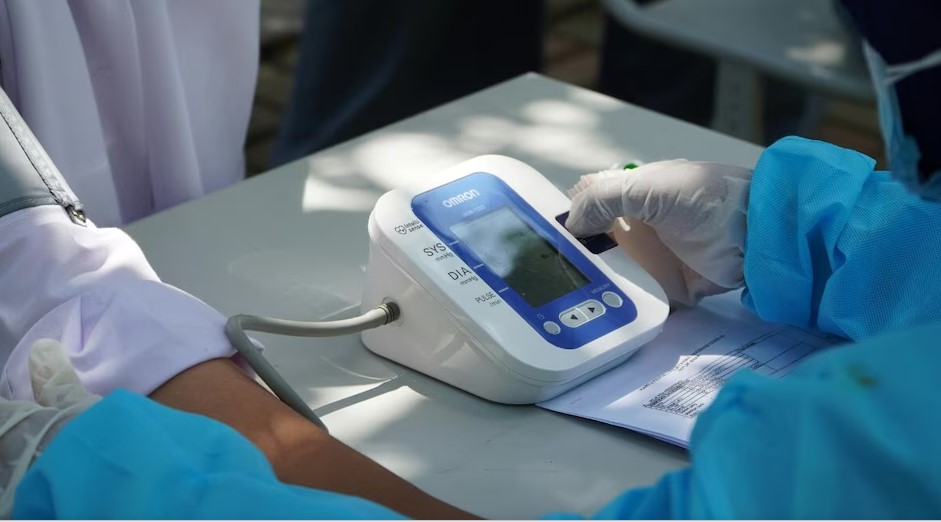
Regular exercise, maintaining a healthy weight and monitoring blood pressure are also important. People with kidney disease or high blood potassium levels should not use potassium-based salt substitutes without consulting a doctor.
Hashtags: #Health #Bhopal #Blood #Pressure #Can #Rise #Even #Less #Salt #BloodPressureCanRise



