CNN Central News & Network–ITDC India Epress/ITDC News Bhopal: World Sickle Cell Day Tomorrow: BMHRC Plays Vital Role in Central Government’s Sickle Cell Elimination Mission
Bhopal:
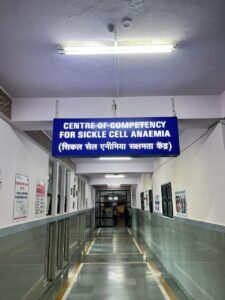
The Bhopal Memorial Hospital and Research Centre (BMHRC) has been running screening, counseling, and treatment services for sickle cell anemia at its Sickle Cell Anemia Empowerment Center since September 2024.
Since its establishment, a large number of people have been screened, and several patients and carriers of sickle cell anemia have been identified. These individuals are now receiving ongoing counseling and treatment at BMHRC.
According to Dr. Manisha Srivastava, Acting Director of BMHRC and Head of the Sickle Cell Anemia Center, sickle cell cases are found more frequently in tribal communities.
With this in mind, BMHRC has conducted screening camps at tribal hostels and other locations in Bhopal. Dr. Srivastava stated that data shows a high carrier rate among tribal populations, even among those who have migrated from their native places to urban hostels for education or employment.
Genetic Analysis for Deeper Insights
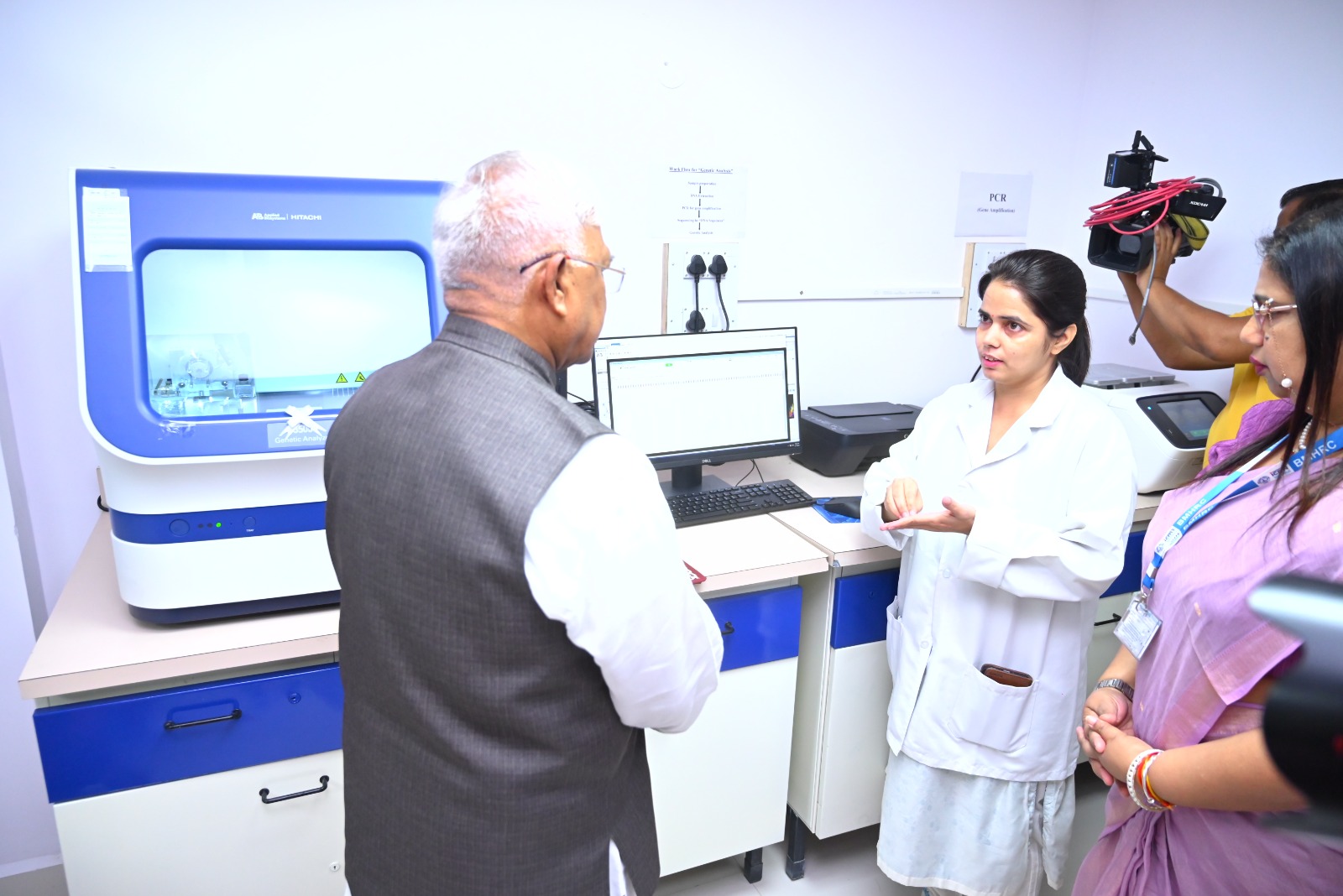
BMHRC is equipped with a DNA sequencer machine—the only one of its kind in Madhya Pradesh—used for genetic testing and gene editing.
For instance, BMHRC identified a patient diagnosed with sickle cell disease but showing no clinical symptoms, prompting further genetic analysis to understand this anomaly.
In another case, both the brother and wife of a patient were found to be carriers, indicating a 75% risk of the disease in their offspring. Dr. Srivastava explained that such situations can be better understood through prenatal screening, which empowers parents to make informed decisions.
Gene Editing: A Permanent Solution
She further added that the DNA sequencer plays a crucial role in identifying specific gene mutations and locating exact points requiring correction.
Gene editing technologies can then be used to repair these mutations. For sickle cell anemia patients, this allows for personalized treatment decisions and may potentially lead to a permanent cure in the future.
Impact on Mental Health
Dr. Srivastava also emphasized the psychological impact of the disease, particularly on adolescents and young adults.
Physically weaker children often cannot participate in physical or cultural activities like sports or dance, which can lead to low self-esteem, depression, or other mental health issues.
To address this, BMHRC’s psychiatrists and psychologists offer regular counseling and mental health support, helping patients lead healthier, more balanced lives.
About the Sickle Cell Empowerment Center
BMHRC’s Sickle Cell Empowerment Center is Madhya Pradesh’s first dedicated center offering comprehensive, multidisciplinary care under one roof.
The center extends services via telemedicine to reach remote and tribal areas, overcoming geographic barriers to ensure quality care.
Facilities at the center include a Pain Clinic, Physiotherapy, Psychiatric Counseling, Admissions, and free medicines. A special 6-bed ward for sickle cell patients is also operational, managed by a dedicated team of clinical hematologists and pediatricians.
The center is equipped with a state-of-the-art laboratory offering hemoglobin electrophoresis, genetic testing, and DNA sequencing, enabling precise diagnosis and effective treatment.
BMHRC now serves as a referral center for 12 districts in Madhya Pradesh, with district hospitals and primary health centers referring sickle cell patients for advanced care.
This center is becoming a milestone in the control and management of sickle cell disease across the state.