CNN Central News & Network–ITDC India Epress/ITDC News Bhopal : For years, Bundelkhand has stood as a stark symbol of India’s agrarian distress. Straddling Uttar Pradesh and Madhya Pradesh, the region is marked by rocky terrain, erratic rainfall, and a history of extreme climatic swings. From 2003 to 2010, Bundelkhand endured one of the longest droughts in recent memory, followed almost immediately by devastating floods in 2011. The impact was catastrophic: barren fields, spiralling debt cycles, mass migration, and a tragic rise in farmer suicides.
A 2018 NGO survey revealed that nearly half of Bundelkhand’s four million farmers had already migrated in search of survival. Borewells drilled in desperation only hastened the depletion of groundwater. Rainwater, instead of replenishing the aquifers, rushed away through seasonal nullahs, leaving the land dry once more.
Against this backdrop of crisis, a turnaround is now underway. Farmers are seeing groundwater return, irrigation costs fall, and agriculture regain viability, thanks to a large-scale scientific river and aquifer rejuvenation project led by The Art of Living Social Projects under the guidance of Gurudev Sri Sri Ravi Shankar. This initiative stands as a model solution for water crisis, blending scientific precision, community participation, and spiritual commitment to restore balance and hope to rural lives.
A Scientific Response to a Human Crisis
At the peak of Bundelkhand’s water distress, Hon. Member of Parliament Shri Anurag Sharma invited The Art of Living Social Projects to design a sustainable solution. A team of geologists and hydrologists identified managed aquifer recharge as the key intervention – a method that slows rainwater runoff and directs it into underground reserves.
Over the past two years, the project has been implemented in 42.82 square kilometres of the Gobind Sagar catchment area in Lalitpur district, with support from Hindustan Aeronautics Limited (HAL), Ashirvad Pipes, and the local administration.
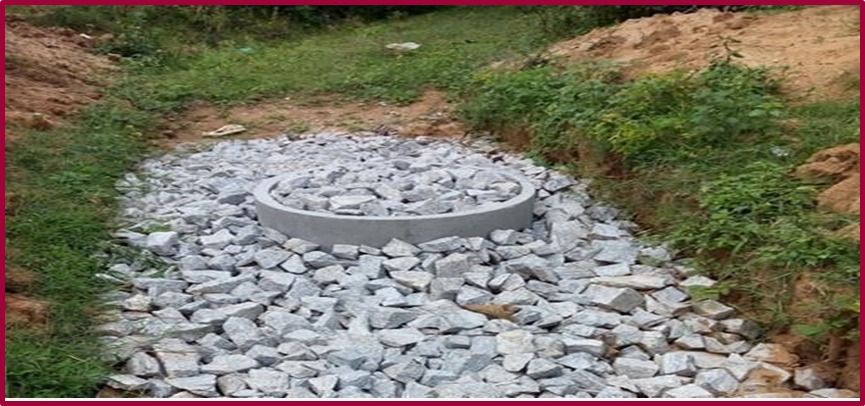
The results are measurable and significant. 238 recharge wells, boulder checks, and bore recharge structures have been built, enabling rainwater to infiltrate the ground rather than flow away unused. According to official district reports, groundwater levels in parts of Birdha block have already risen by five to six feet.
Impact on Farming Communities
For Bundelkhand’s farmers, these numbers translate into a tangible rise in livelihoods. With groundwater reserves replenished, irrigation has become more dependable. Diesel expenses for water pumping have dropped, and crop security has strengthened. Water pump sets that once ran for barely an hour now operate for five to six hours at a stretch. For communities long accustomed to uncertainty, this is a transformative change – one that makes farming viable again and reduces the compulsion to migrate.
#BundelkhandWaterCrisis #GroundwaterRecharge #TheArtOfLiving #WaterConservation #SustainableWater #RainwaterHarvesting #RuralDevelopment