


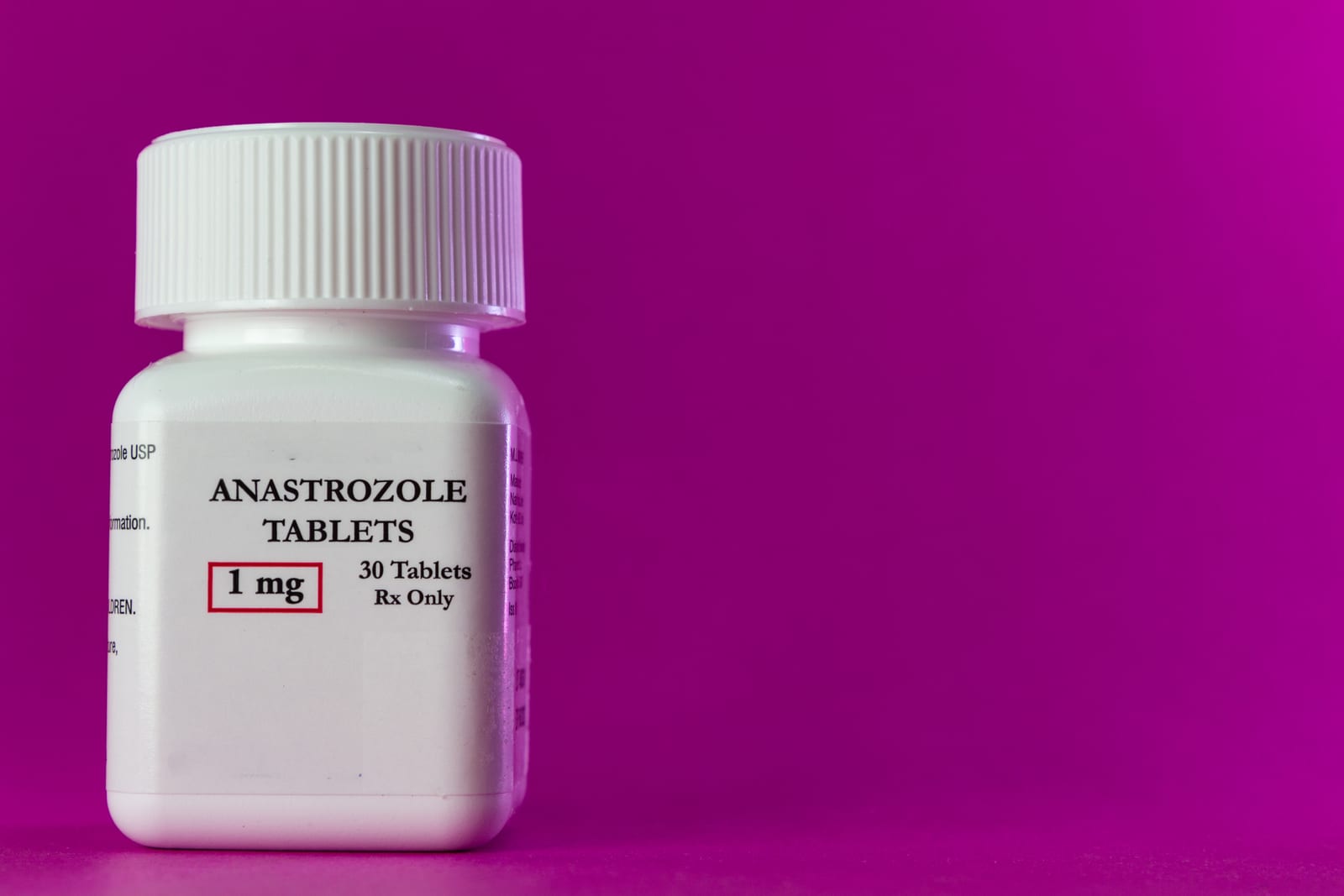
Cindy Shebley / CC BY 2.0
For a family paying for repeated cancer treatment, a medicine-price cut can make the next hospital visit less frightening. India's revised pricing rules covering 137 anti-cancer drugs, effective from November 9, deserve that practical measure of success.
The government reported on November 7 that companies had submitted lower maximum retail prices for 1,031 formulations, projecting annual consumer savings above ₹3,500 crore. Patients already paying below MRP may save less or nothing.
Hospitals and pharmacies are already required to display revised prices. They should also make each medicine's name, strength, quantity and charge easy to identify on the bill. State drug controllers should check samples of bills against the published prices, rather than depend entirely on complaints from people undergoing treatment. A patient should not need to become a pricing expert to receive a legally mandated reduction.
There is a reasonable concern on the other side: cutting distribution margins can disrupt supply if implementation ignores legitimate storage and delivery costs. Lower prices are of little comfort when a prescribed medicine is unavailable. The government already requires manufacturers to maintain production and supply. Regulators should therefore monitor availability alongside compliance and address shortages promptly.
NPPA should publish a simple first-month account of inspections, overcharging complaints, corrective action and stock problems. This would show where enforcement needs attention without pretending that every treatment expense has fallen.
The policy is a welcome step towards affordable cancer care. Its credibility will grow through an ordinary, verifiable outcome: patients finding their prescribed medicines available and paying no more than the revised ceiling.



