


PIB / Ministry of Women and Child Development
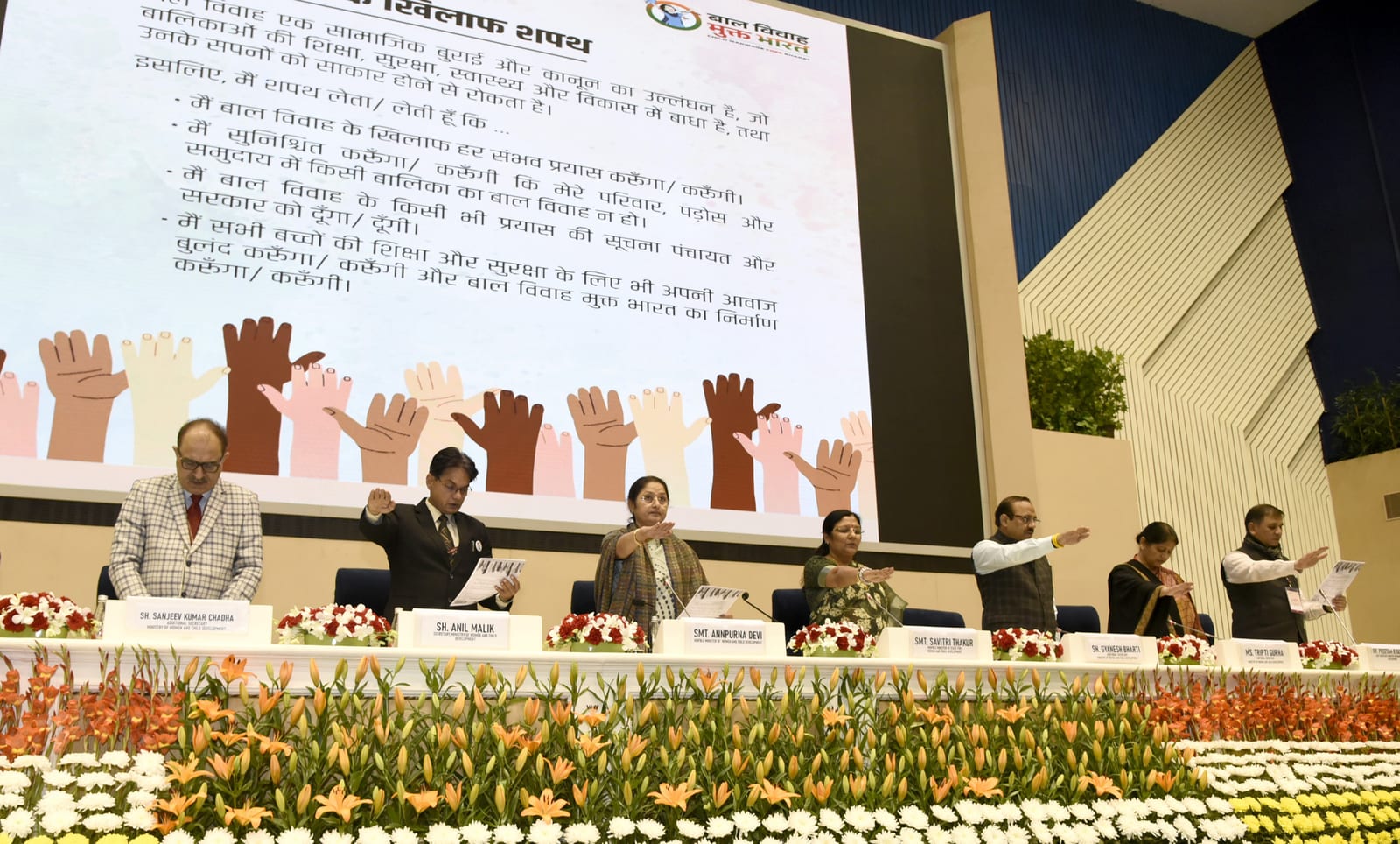
The Bal Vivah Mukt Bharat campaign marks its second anniversary at Vigyan Bhawan today. A national event can remind people where to report an impending child marriage. What matters after the event is whether a child, teacher or neighbour can reach someone locally who can intervene in time.
The Women and Child Development Ministry’s reporting portal lists Child Marriage Prohibition Officers. Its toll-free Child Helpline, 1098, also handles reports of children in distress, including child marriage. Those routes are useful only if someone takes responsibility for what happens next. A school that flags a risk should not have to guess which office is handling it. Nor should the person who reported it have to keep calling simply to find out whether the warning reached the district.
In October 2024, the Supreme Court made active prevention a responsibility of district collectors and police superintendents alongside the designated officers. Districts should make that responsibility visible: keep contact details current, name who handles an urgent referral, and track the time from a warning to intervention. Follow-up should include the child’s safety and whether they can continue in school. Public reports can show these outcomes without identifying any child.
Awareness drives have a place. A family may first hear about the law or helpline at a village meeting, and the number of reports may rise as people learn to ask for help. That is why neither a pledge tally nor a dip in complaints is a reliable verdict. The better test of this campaign is what happens to the child after the first call.



