


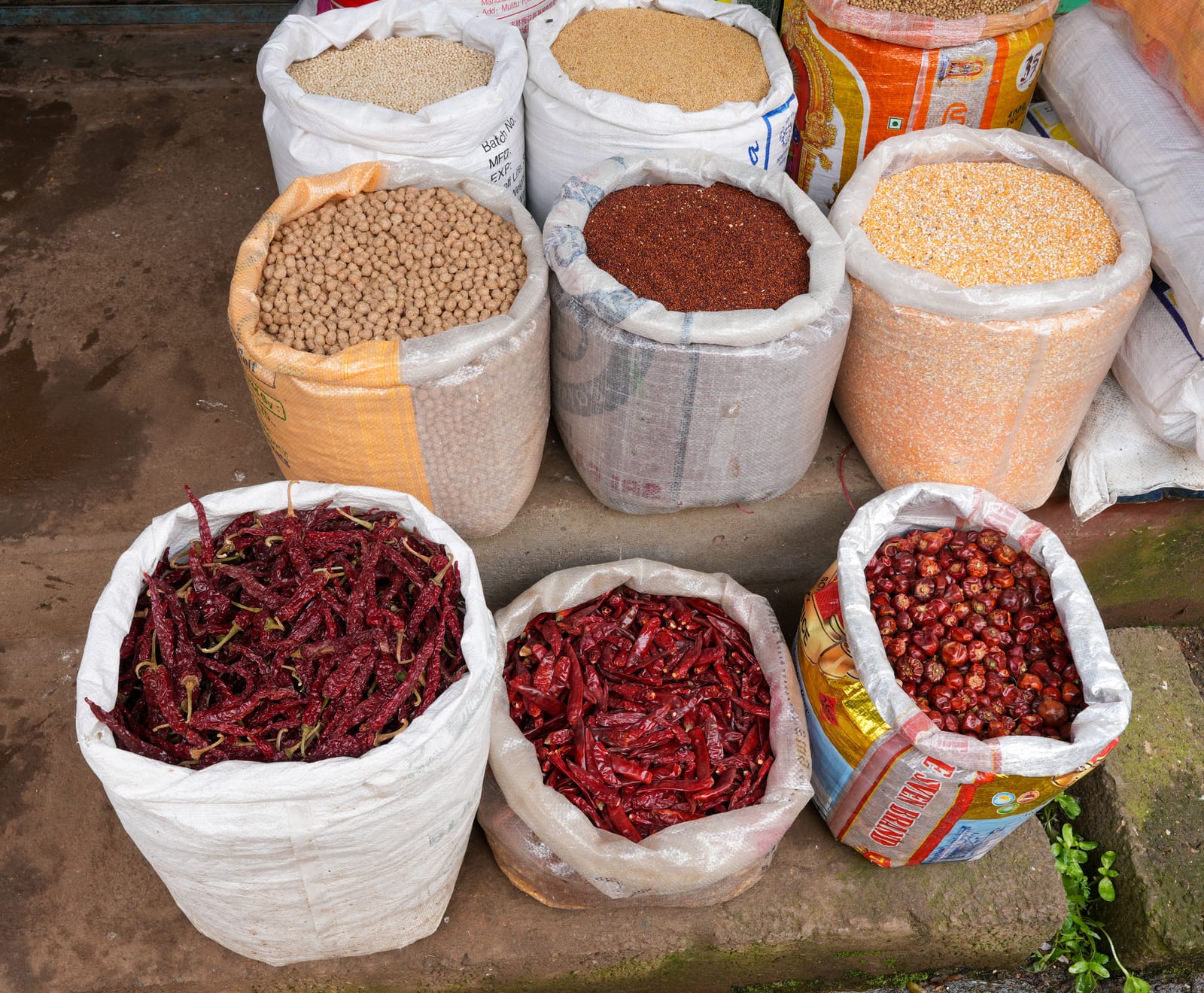
Timothy A. Gonsalves / CC BY-SA 4.0
The price of dal is rising even as the government describes supplies as comfortable. On Friday, November 13, the Centre made weekly disclosure of pulse stocks mandatory for traders, millers, wholesalers, retailers and large retail chains, according to reports in Financial Express and The Times of India.
Financial Express reported national average retail prices of ₹135.23 a kilogram for tur and ₹95.23 for gram on Friday, up 19.5% and 10% respectively from a year earlier. These are national averages, not quotations from an individual neighbourhood shop.
Consumer Affairs Secretary Nidhi Khare said the reporting requirement was intended to curb artificial supply constraints and speculation, the newspaper reported. The Times of India said officials were concerned that retail prices of several varieties had risen despite comfortable availability. That concern does not establish hoarding as the cause of every price increase.
The move follows a separate November 6 order covering rice and paddy. The food ministry requires stockholding businesses across India to report six categories every Friday. Two staples on the same plate are therefore coming under closer inventory scrutiny, through separate reporting systems.
The Consumer Affairs Department's pulses portal also asks businesses to report quantities received and sold or otherwise disposed of, alongside their holdings. Its notice allows Friday's stock-in and stock-out information to be submitted between Friday and Monday.
For households, the distinction matters: a disclosure requirement does not itself set the price at the shop counter. More visible stocks may help officials investigate supply bottlenecks, but neither the announcement nor the available figures guarantees an immediate fall in the grocery bill.
Hashtags: #NationalIndia #NewDelhi #Dal #Gets #Dearer #Traders #LifeकीPulse #Must #Show #Their




