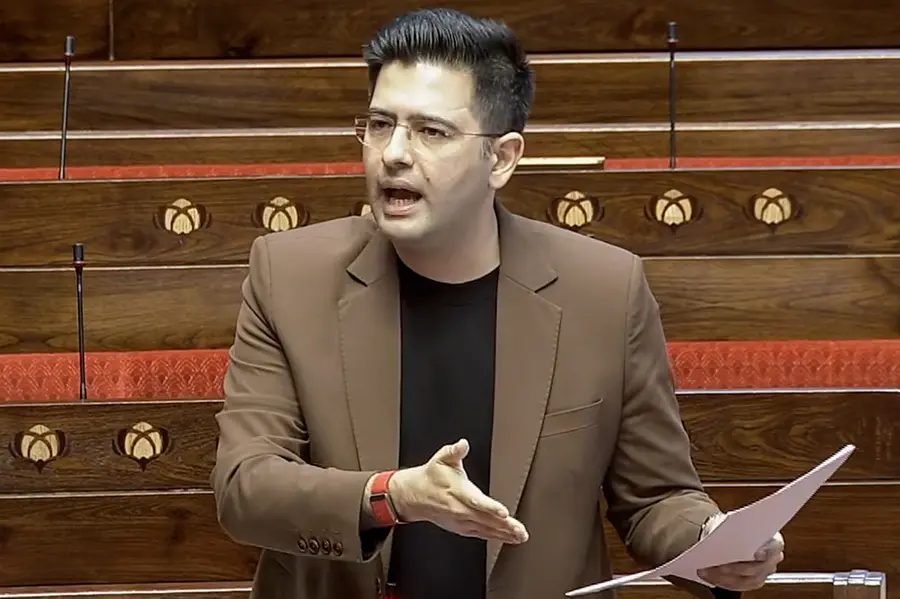
CNN Central News & Network–ITDC India Epress/ITDC News Bhopal: The Delhi High Court has recently observed that the boundary between defamation and legitimate criticism is extremely thin while hearing a plea filed by Rajya Sabha MP Raghav Chadha seeking protection of his personality rights. The court’s remarks came during arguments involving allegations of misuse of AI-generated content, deepfakes, and allegedly defamatory material circulating on social media platforms. Chadha’s petition seeks legal safeguards against the unauthorized use of his image, voice, likeness, and identity, arguing that such content harms his reputation and misleads the public.
During the hearing, the bench emphasized the importance of balancing free speech with the right to protect one’s reputation and personality rights. The court noted that while public figures are subject to higher levels of scrutiny and criticism, there is still a legal threshold that distinguishes fair comment from defamatory content. This observation has added a significant dimension to the evolving jurisprudence on digital rights and artificial intelligence in India.
The case is part of a broader wave of petitions filed by public figures across politics, cinema, and media seeking protection from deepfakes and online impersonation. Legal experts believe that the outcome could set an important precedent for regulating AI-generated content and defining the limits of free expression in the digital age, especially in cases involving political speech and reputational harm in India’s rapidly evolving online ecosystem.