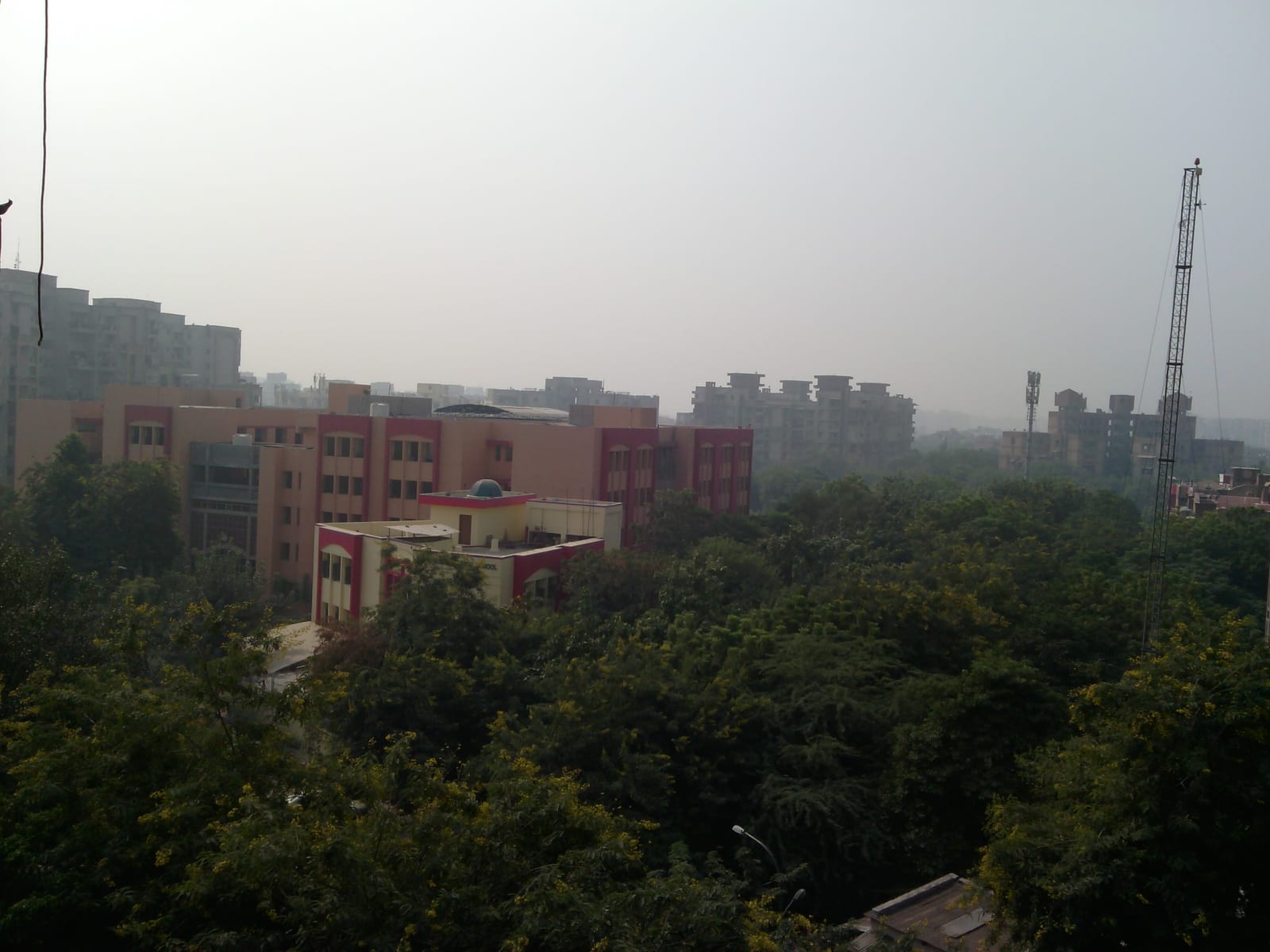
Rrthakur22 / Wikimedia Commons · CC BY-SA 4.0
When a pollution order changes, a family needs to know more than which stage Delhi is in. Is assembly outdoors? Will the school bus run? If the timetable changes again tomorrow, who will tell them before they leave home? On World Children’s Day, those are useful questions to ask of a city that has learned to issue emergency orders but still expects parents to piece together what they mean.
On 17 November, the Commission for Air Quality Management lifted Stage III restrictions. Its order recorded a Delhi air quality index of 204 that day and warned that the air could remain poor or very poor. Stages I and II stayed in force. A separate order limiting in-person office attendance in Delhi and nearby districts, and restricting certain dust-generating work across the NCR, was scheduled to apply through 20 November. Its expiry, unless extended, would be an administrative deadline, not a reading of the air.
Delhi and its neighbours should publish a common school protocol before the next change in restrictions. Each school should give families one dependable early-morning update, say which activities move indoors and make clear what happens to transport. Districts should identify which government schools lack usable indoor space, so the same instruction does not mean a sheltered activity for one child and none for another.
Keeping children at home across an entire region can interrupt learning and leave working parents scrambling. That is exactly why schools need workable options short of closure. These steps cannot replace cuts in emissions. They can give families something they should not have to improvise every winter: a plan for getting through the school day.