


New Delhi:
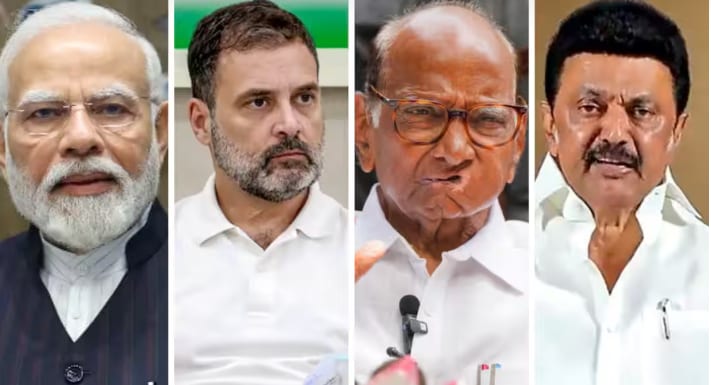
The proposed Delimitation Bill, 2026, has triggered a fresh political debate and exposed differences within the opposition INDIA bloc, with the positions of Tamil Nadu Chief Minister MK Stalin and NCP (Sharadchandra Pawar) chief Sharad Pawar emerging as key factors ahead of the special session of Parliament. The Union Cabinet has approved the revised Constitution (132nd Amendment) Bill, which is expected to be introduced in the Lok Sabha on November 30. The proposal seeks to increase the number of Lok Sabha seats by 50 per cent uniformly across all states and Union Territories, taking the maximum strength of the House to 850, while the maximum strength of state legislative assemblies would rise from 500 to 650. A key provision is that the relative share of parliamentary seats among states would remain frozen for the next 25 years, until 2051, addressing concerns that population-based delimitation could reduce the political representation of southern states. The exercise is also linked to the implementation of 33 per cent reservation for women in the Lok Sabha and state assemblies. DMK chief MK Stalin had demanded that Tamil Nadu's existing 7.18 per cent share of Lok Sabha seats should not decline and that the relative representation of states should remain protected for 25 years. The revised proposal appears to address these concerns, although the DMK's final position remains important. Meanwhile, NCP (Sharadchandra Pawar) leader Jitendra Awhad has announced that the party will support the delimitation process, provided the proposed uniform increase in seats is retained. The party has eight Lok Sabha MPs, while the DMK has 22, making their positions significant for the government's efforts to secure the two-thirds majority required to pass a constitutional amendment. The Congress and several other INDIA bloc parties have raised objections to the proposed exercise, arguing that women's reservation should not be used to push through delimitation without adequate consultation and safeguards. The INDIA bloc meeting scheduled for November 28 is expected to discuss a coordinated response. The differing positions of its constituent parties have therefore put opposition unity under pressure, while the government is seeking support across party lines to move the legislation forward. The Bill is still a proposal and will require parliamentary approval and the President's assent before it can become law.
Hashtags: #NationalIndia #Delhi #Delimitation #Bill #Tests #India #Bloc #Unity #Stalin #DelimitationBillTestsINDIA



