


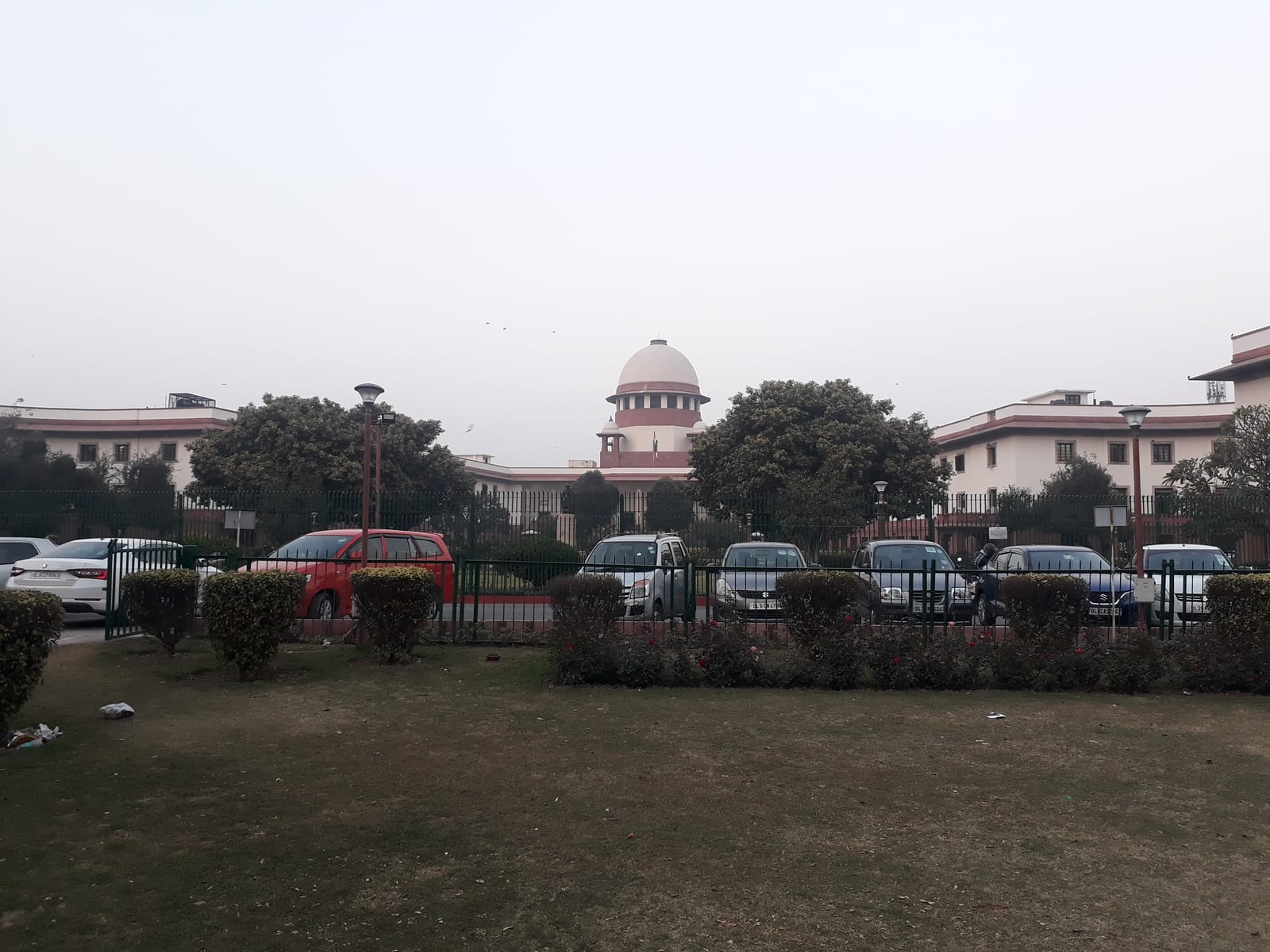
The state should enforce building rules with a file that can withstand scrutiny, not a spectacle that makes scrutiny pointless. An accusation against an occupant cannot supply the missing reason for destroying a home.
The Supreme Court's April 2025 judgment in Zulfiquar Haider offers a concrete warning about procedure. It found that the appellants' residential premises in Prayagraj had been demolished in March 2021 within 24 hours of delivery of a registered communication. The Court held the action illegal and arbitrary. That finding concerned an effective opportunity to challenge demolition; it did not establish that these particular residents were targeted for criminal accusations.
Separately, the Court's November 2024 demolition judgment rejected punishment of a household through destruction merely because an occupant was accused or convicted. The distinction matters. Planning authorities must establish a building violation on its own evidence. Police suspicions cannot replace that examination, and a family's shelter cannot become an additional sentence imposed outside a trial.
This principle gives no immunity to dangerous or unauthorised construction. The 2024 directions themselves excluded specified structures in public places and court-ordered demolitions. Genuine urgency must be assessed under the relevant legal power, rather than invoked as an all-purpose excuse for haste.
Municipal enforcement should therefore disclose the violation, explain why the proposed remedy is necessary, and preserve a meaningful route to review wherever required. Comparable buildings should face comparable standards, irrespective of the occupants' influence or notoriety.
A notice is useful only if someone can answer it before the decision becomes rubble. Administrative strength lies in carrying out a defensible order, not in making an irreversible act its own justification.




