


Dengue and Malaria Risks Rise with Changing Weather: Know How to Stay Safe
Bhopal:
Changing weather conditions, fluctuating temperatures and stagnant water can create favourable conditions for mosquito breeding, increasing the risk of mosquito-borne diseases such as dengue and malaria. Even when the weather becomes cooler, people should not ignore the possibility of infection. Health authorities are encouraging communities to maintain cleanliness, prevent water accumulation and take precautions against mosquito bites.
Dengue and Malaria Are Different Infections
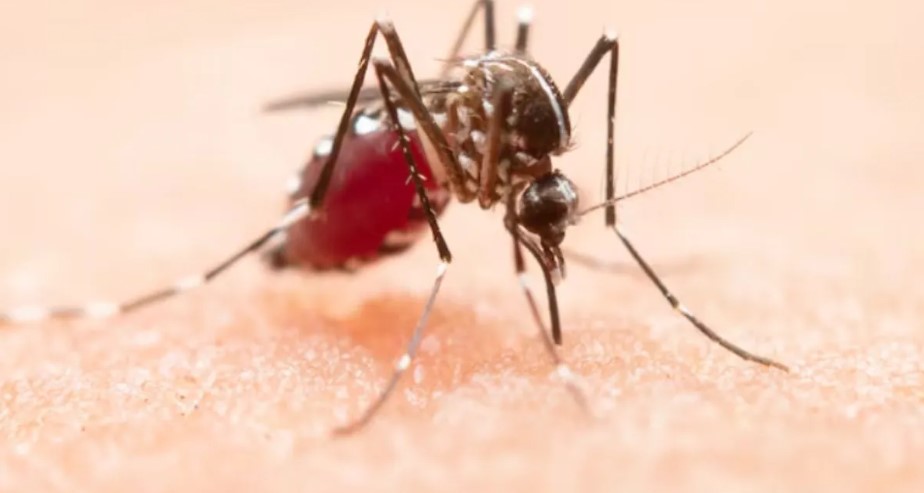
Dengue is caused by a virus transmitted mainly through infected Aedes mosquitoes, which commonly bite during the daytime. Malaria is caused by parasites transmitted through the bite of infected female Anopheles mosquitoes, which generally bite between evening and night.
Both illnesses can cause fever, headache and body weakness. Malaria may also cause chills, while dengue can lead to severe muscle and joint pain, nausea and skin rashes.
Simple Measures to Prevent Mosquito Breeding
The most effective preventive step is to stop mosquitoes from multiplying around homes and neighbourhoods. Residents should:
Empty, clean and dry water coolers at least once every week.
Keep water tanks, buckets and storage containers properly covered.
Remove stagnant water from flowerpots, tyres, discarded bottles and other objects.
Keep drains and surroundings clean and ensure proper waste disposal.
Participate in community cleanliness and mosquito-control campaigns.
Protect Yourself from Mosquito Bites
Wear full-sleeved clothing and use suitable mosquito repellents. Install mesh screens on doors and windows and use mosquito nets while sleeping. Remember that dengue-carrying mosquitoes can bite during the day, so protection should not be limited to nighttime.
Recognise Symptoms and Seek Timely Treatment
High fever, headache, chills, body pain, nausea and unusual weakness should not be ignored. Anyone experiencing these symptoms should consult a doctor and undergo appropriate testing.
Severe abdominal pain, repeated vomiting, bleeding, breathing difficulty or extreme weakness in a suspected dengue patient require immediate medical attention. Avoid self-medication, particularly aspirin and ibuprofen when dengue is suspected, as they may increase bleeding risk.
Community Awareness Is the Strongest Protection
Preventing dengue and malaria requires collective action by residents, local authorities and healthcare workers. Regular inspection of homes, public spaces and water-storage areas can reduce mosquito breeding and help protect families.
Hashtags: #Health #Bhopal #Dengue #Malaria #Risks #Rise #Changing #Weather #Know #DengueAndMalariaRisks



