CNN Central News & Network-ITDC India Epress/ITDC News Bhopal: Scientists have raised new hope in the effort to restore eyesight. Researchers have developed light-activated medicines that helped blind laboratory mice sense light again. Notably, the experiment did not require gene therapy, electronic implants or special lighting.
The researchers have named the medicines Prosthe6. These medicines work by activating cells in the retina that remain after the light-receiving photoreceptor cells have been destroyed. Scientists developed a technique to make the medicine light-activated, allowing the remaining retinal cells to transmit light signals onward.
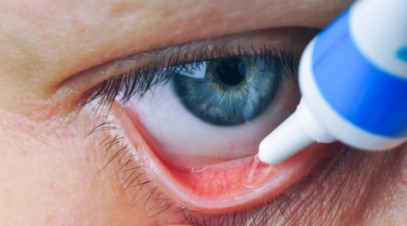
In the study, two compounds – Prosthe6-12 and Prosthe6-15 – showed particularly encouraging results. They were used both by administering them into the eye and in the form of eye drops. After treatment, the blind mice again showed behaviour linked to distinguishing between light and darkness.
According to scientists, the technology could in future open the way for a new treatment approach for vision-related diseases such as retinitis pigmentosa and age-related macular disease. However, the research has so far been conducted only on animals and cannot be considered a proven treatment for humans.
The findings of the research have been published in the Journal of the American Chemical Society. Scientists will now conduct further studies on the safety of the technology, the duration of its effect and its possible use in humans.
Hashtags: #ScienceTechnology #Bhopal #Desksource #ExperimentalEyeDrops #BlindMice #Prosthe6 #DeskSource #Retina #VisionRestoration #JournalOfTheAmerican