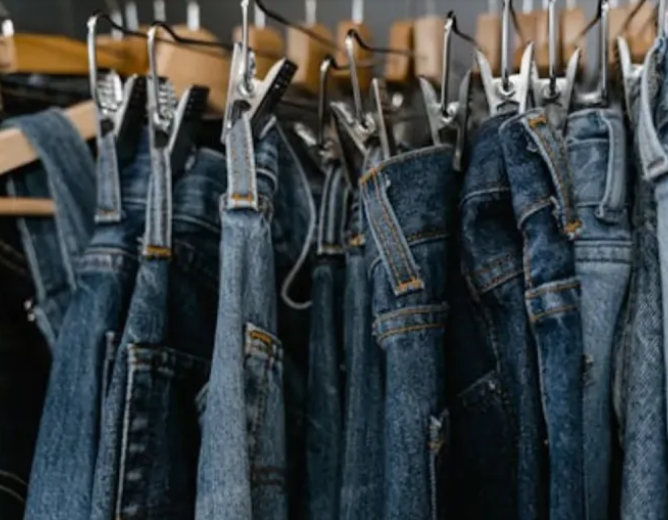
CNN Central News & Network–ITDC India Epress/ITDC News Bhopal: The fashion industry, particularly fast fashion, is increasingly being scrutinized for its environmental impact, and the production of a single pair of jeans exemplifies this concern. On average, manufacturing one pair of jeans consumes approximately 7,500 litres of water—enough to meet the drinking needs of one person for over seven years. This massive water usage occurs primarily during cotton cultivation, dyeing, and finishing processes, which are essential to creating durable denim products.
Beyond water consumption, fast fashion contributes to air and water pollution due to chemical dyes, synthetic fibres, and untreated wastewater discharged into rivers. Cotton farming also requires extensive pesticide and fertilizer use, affecting soil health and local ecosystems. The rapid production cycles of fast fashion brands encourage overconsumption and waste, leading to millions of garments being discarded annually.
Environmental experts emphasize the need for sustainable alternatives, including organic cotton, water-efficient dyeing technologies, recycling initiatives, and mindful consumer behaviour. By choosing sustainable fabrics, supporting slow fashion, and extending the lifecycle of clothing, consumers can significantly reduce their environmental footprint. Understanding the hidden costs of seemingly ordinary clothing items, like jeans, is essential to promoting sustainability and protecting vital natural resources.
#FastFashion #SustainableFashion #WaterConsumption #JeansProduction #Environment #EcoFriendly