


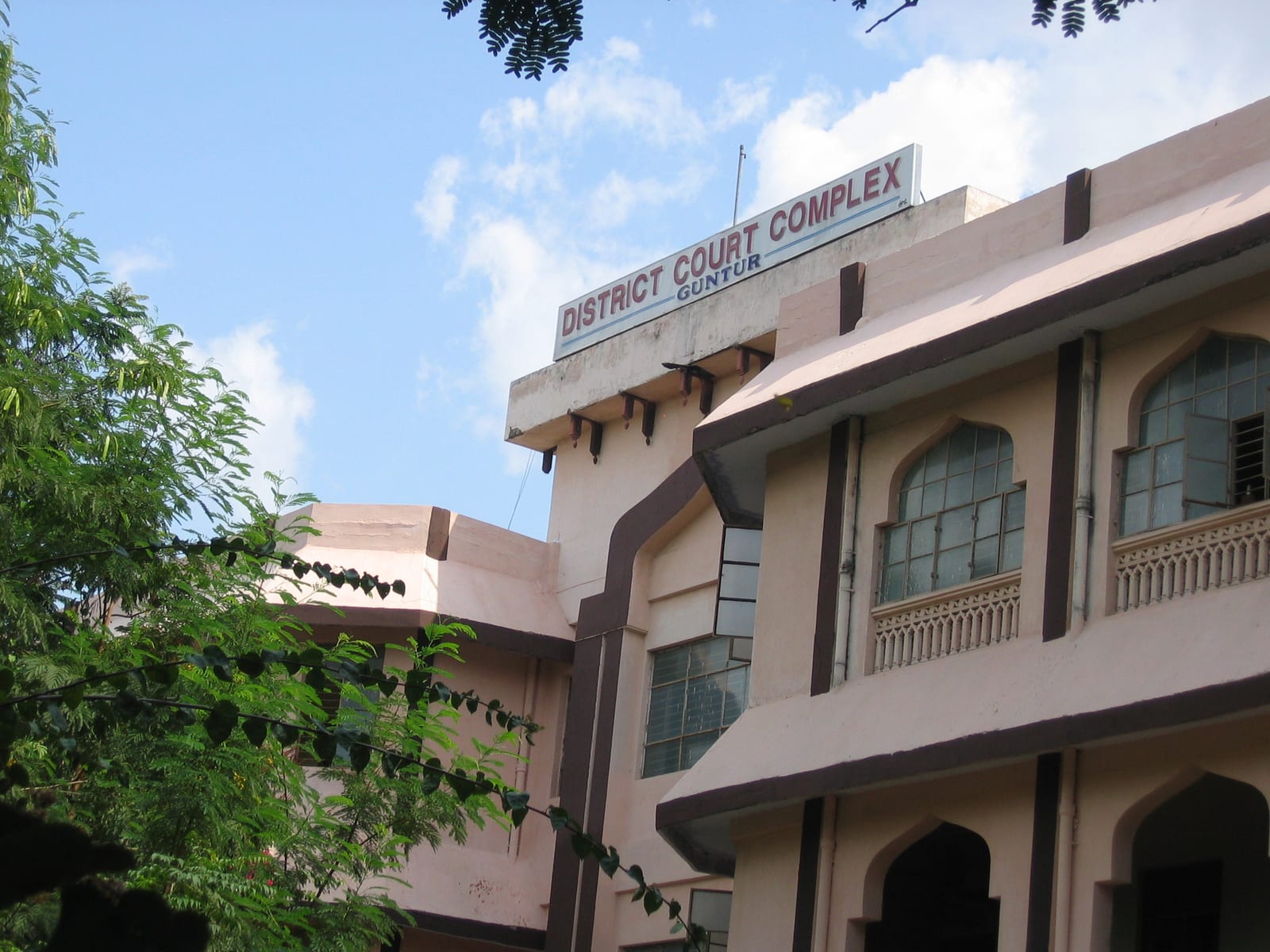
Gpics / CC BY-SA 3.0
On Legal Services Day, the Centre’s renewed funding for Fast Track Special Courts deserves a practical test: will families face fewer wasted journeys and witnesses fewer disrupted hearings?
The Cabinet’s 4 November decision continues the scheme for rape and POCSO cases through March 2031, with an outlay of ₹3,788.04 crore. It provides for expansion from 779 to 850 courts and a dedicated prosecutor for each. These are commitments, not evidence that waiting times have already fallen.
Five-year funding offers a chance to build stable teams instead of repeatedly arranging temporary capacity. States and High Courts should use it to fill posts, coordinate witness attendance and identify where missing forensic reports stall proceedings. For a family travelling from a village, an avoidable adjournment can mean another fare, another lost day’s income and another interruption to a child’s schooling.
There is a serious caution. Pressure to clear cases can reward hurried hearings or easier files while difficult, older cases remain. The accused must have effective legal representation and a meaningful opportunity to challenge evidence. Equally, procedural care cannot become an excuse for preventable delay. POCSO already requires courts to protect children from repeated appearances to testify and aggressive questioning.
The scheme’s monitoring should therefore publish anonymised information on case age, vacancies and reasons for adjournment alongside disposal numbers. Protected testimony and accessible legal assistance deserve attention in every review. A bigger court network is worthwhile; its success should be judged by fair decisions reached with less avoidable hardship for the people who must attend.




