


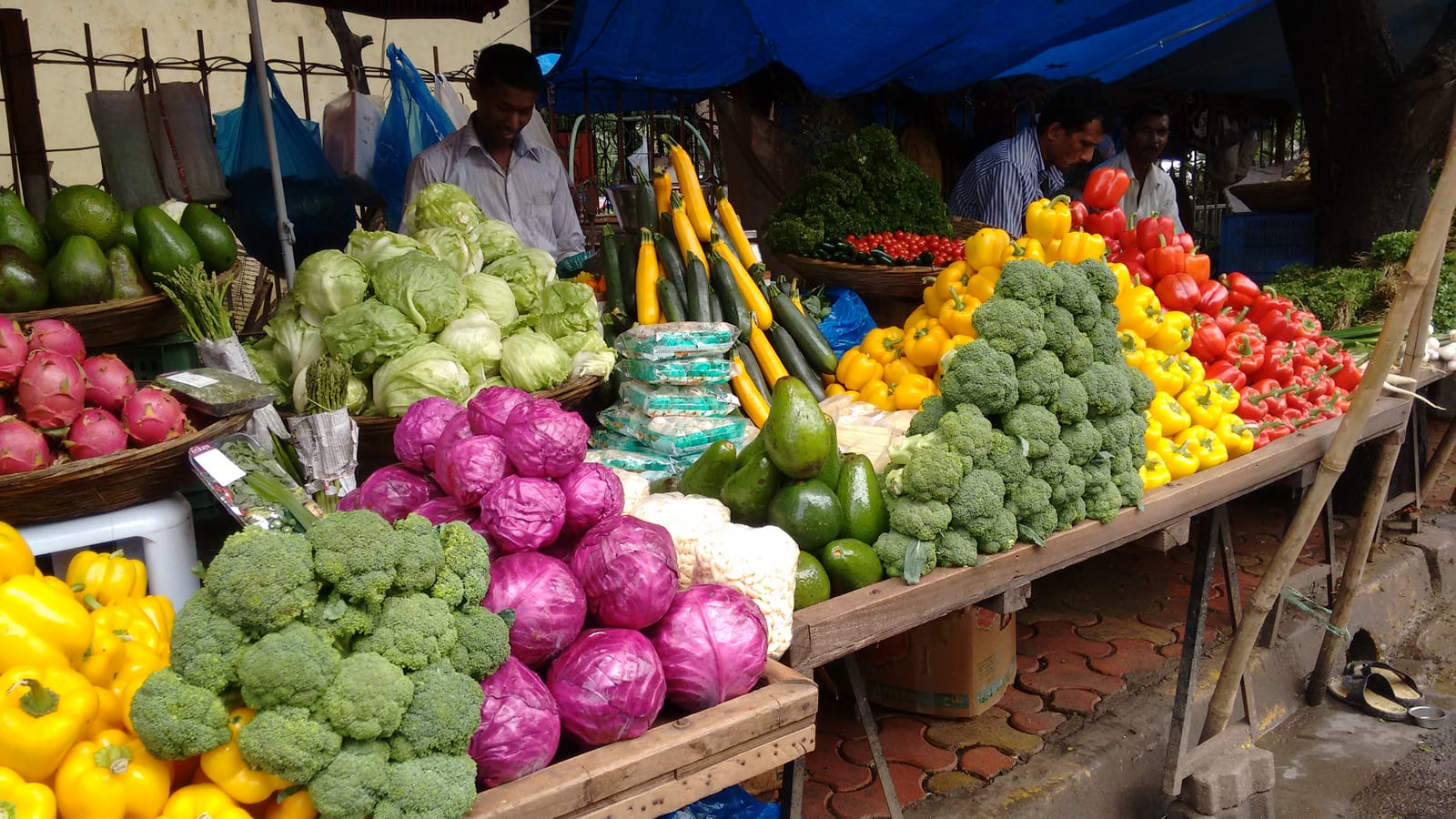
Vardhanjp / CC BY-SA 4.0
October’s inflation figures call for a response that reaches the food market, not just the lending rate. Official data released on November 12 put annual consumer-price inflation at 6.09%, up from September’s 5.54%. Food inflation climbed to 8.94% from 7.74%. These are national measures, not a price list for every neighbourhood.
The rural headline rate, 6.63%, exceeded the urban rate of 5.41%. That difference matters: a national average can conceal unequal pressure on household budgets. State governments should identify where arrivals, transport or storage are constraining supplies, publish the evidence and direct relief accordingly. A general assurance that prices will settle is no substitute for action on a demonstrable bottleneck.
Nor should every expensive vegetable become an excuse for an indiscriminate intervention. Consumers need relief, but growers also need a credible prospect of earning enough to plant the next crop. Measures should be targeted, time-bound and assessed against both retail prices and farm returns.
The strongest objection is that food inflation cannot safely be left outside monetary policy. Repeated increases may spread into wages and expectations. RBI Deputy Governor Poonam Gupta made that distinction in her October 28 speech: temporary supply shocks and persistent, wider price pressures require different judgments. The central bank must remain alert to the latter.
That still leaves governments responsible for the supply response. The practical test over the coming weeks is whether identified shortages ease and household purchases become more affordable. Another argument over the headline number will not fill a shopping bag.




