


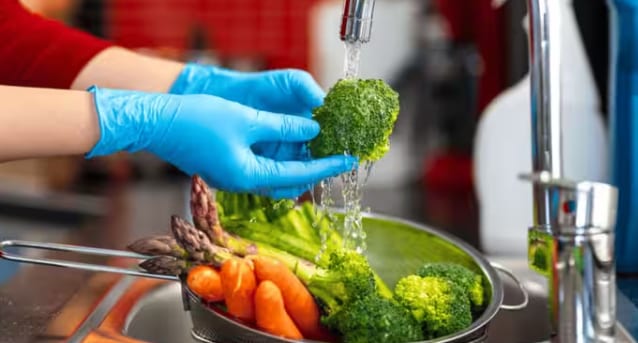
Health Desk: Food safety does not begin when food is placed on the stove; it starts much earlier, with the way ingredients are purchased, stored, washed and handled. Small mistakes in the kitchen can allow harmful bacteria and other germs to enter food, increasing the risk of food poisoning, stomach infections and digestive problems. To maintain good health, always wash your hands with soap and water before handling food and after touching raw meat, eggs or fish. Clean kitchen surfaces, chopping boards and knives regularly, and use separate boards for raw and cooked foods to prevent cross-contamination. Wash fruits and vegetables thoroughly under clean running water before cutting or cooking them. Check expiry dates and avoid using damaged, spoiled or foul-smelling ingredients. Raw food, especially meat and seafood, should be stored separately from ready-to-eat items, while perishable foods should be refrigerated promptly rather than left at room temperature for long periods. Cook food thoroughly, particularly meat, poultry and eggs, to reduce the risk of harmful microorganisms. Leftovers should be placed in clean, covered containers, refrigerated within two hours and reheated properly before consumption. Avoid tasting food that looks or smells spoiled, as harmful germs may not always change its appearance or smell. Maintaining these simple habits can significantly reduce food contamination risks and help protect the health of the entire family. Food safety is not just about cooking properly; it is about following hygiene at every stage, from buying ingredients to serving meals.
Hashtags: #Health #Bhopal #Food #Safety #Begins #Before #Cooking #Simple #Habits #FoodSafetyBeginsBefore



