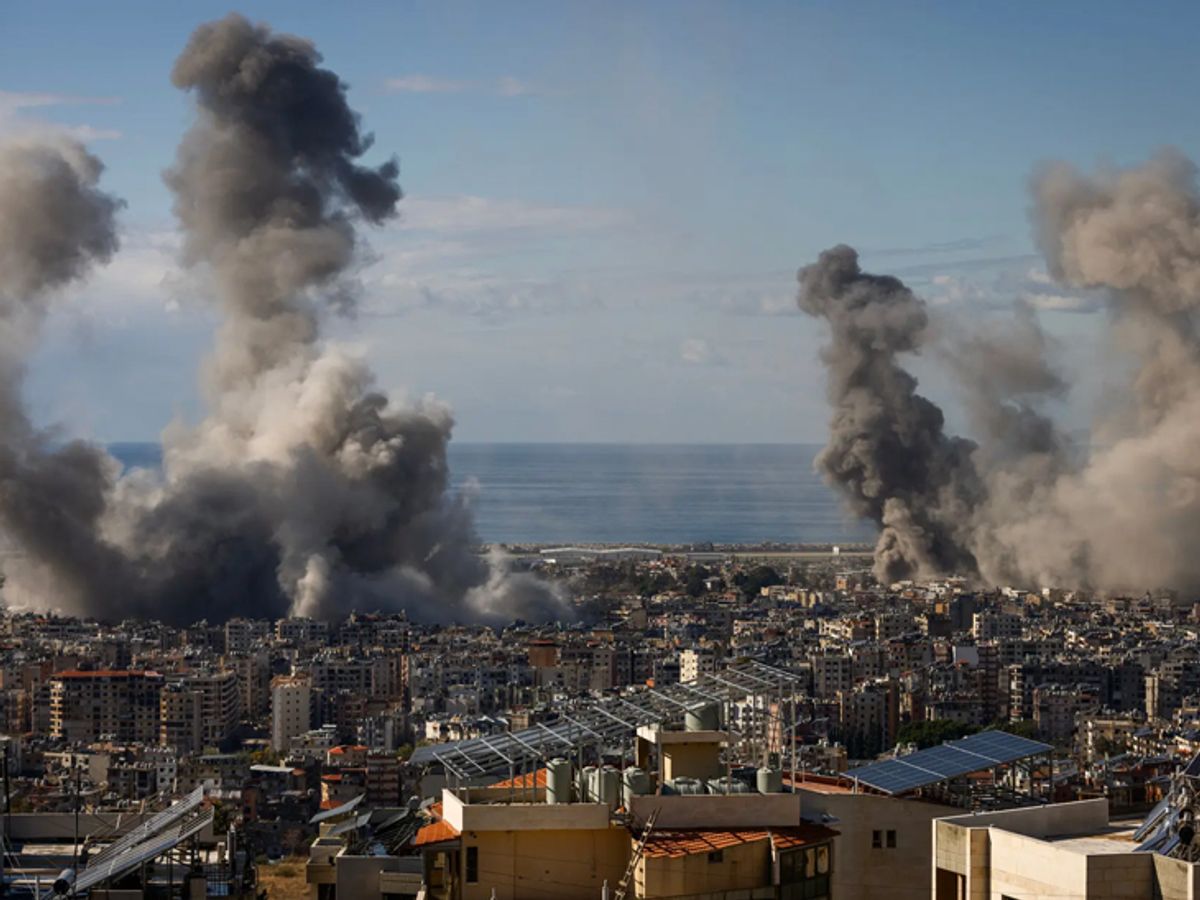
CNN Central News and Network–ITDC India Epress / ITDC News Bhopal: Amid ongoing tensions in the Middle East, the proposed ceasefire agreement between Lebanon and Israel has once again become mired in controversy. Hezbollah has rejected the ceasefire proposal and made it clear that no agreement will be accepted until the Israeli army fully withdraws from Lebanese territory.
This development has dealt a major blow to hopes of restoring peace in the region, and for now the chances of easing tensions between the two sides appear to have weakened.
Which issue has stalled the talks?
According to sources, the proposed agreement suggested implementing special security arrangements in parts of southern Lebanon. Israel wants Hezbollah’s military activities in areas along the border to be stopped and security control there to be strengthened.
Hezbollah, on the other hand, says that before any such arrangement can be considered, Israel must completely end its military presence in Lebanese territory. This condition has become the biggest point of dispute between the two sides.
Hezbollah’s blunt position
Hezbollah’s leadership has said that the current proposal does not protect Lebanon’s interests. The organization believes that if a clear and time-bound roadmap for the withdrawal of Israeli forces is not provided, then a ceasefire would have no meaning.
Hezbollah has alleged that the proposed agreement could give Israel a strategic advantage, while Lebanon’s security concerns have not been given adequate importance.
Why is Israel holding firm?
Israel argues that its priority is to ensure security in the border area. It says lasting peace is not possible without controlling Hezbollah’s military capabilities and its activities near the border.
The Israeli security establishment believes that withdrawing troops in haste could create another security crisis in the future. For this reason, it is standing by its conditions.
Regional concern may grow
Experts believe that if this deadlock continues for long, instability across the Middle East could increase. Continued tension along the Lebanon-Israel border could affect not only the two countries but also the wider regional security situation.
In addition, the role of Iran, the United States and other regional powers is making the crisis even more complex.
Can a solution emerge?
Diplomatic talks are continuing, but at present neither side appears ready to retreat from its core conditions. Hezbollah wants a complete withdrawal of Israeli forces, while Israel is insisting first on security guarantees and stability in the border area.
That is why the proposed Lebanon deal remains in limbo for now.
Conclusion
Hezbollah’s rejection of the ceasefire proposal has dealt a major setback to the peace process in Lebanon. Deep differences remain between the two sides over the withdrawal of Israeli forces and security arrangements. Until agreement is reached on these core issues, the path to a ceasefire agreement does not appear easy.
Hashtags: #WorldInternational #Bhopal #DeskSource #Hezbollah #Lebanon #Israel #Ceasefire #MiddleEast #BorderSecurity #DiplomaticTalks