Bhopal:
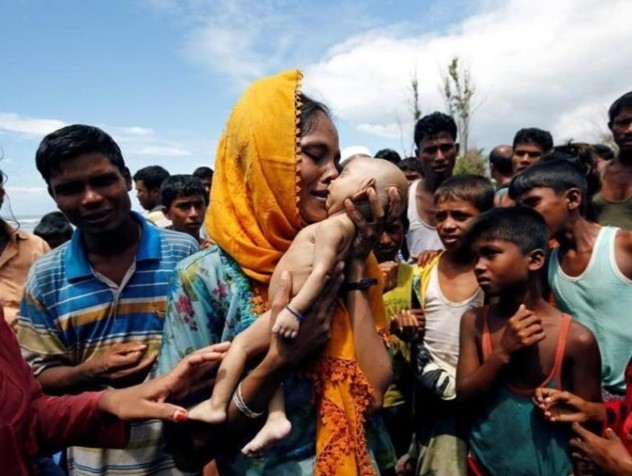
In a landmark judgment with far-reaching implications for international justice, the International Court of Justice (ICJ) has ruled that Myanmar committed genocide against the Rohingya Muslim minority during its military operations in 2017. The verdict, delivered at The Hague on November 19, marks the first time the United Nations' highest court has held a state responsible for committing genocide.
The case was brought by The Gambia in 2019 under the 1948 Genocide Convention, alleging that Myanmar's military carried out systematic atrocities against the Rohingya population in Rakhine State.
The court found that Myanmar violated its obligations under the Genocide Convention by failing to prevent and punish genocide. Evidence presented during the proceedings documented mass killings, sexual violence, destruction of villages and severe abuses against civilians. More than 10,000 Rohingya people were reportedly killed during the military operations.
In its ruling, the ICJ directed Myanmar to investigate suspected perpetrators, prosecute those responsible, prevent further violations and provide compensation to the victims. It also called for measures ensuring the safe, voluntary and dignified return of displaced Rohingya refugees and the reunification of families.
The judgment is final and legally binding, with no provision for appeal. However, enforcement remains a significant challenge.
UN Secretary-General António Guterres welcomed the decision, describing it as an important recognition of the victims' suffering. Bangladesh also welcomed the ruling, hoping it would help create conditions for the safe return of Rohingya refugees.
The historic verdict has renewed international attention on accountability, human rights and the future of nearly a million Rohingya refugees living in Bangladesh.
Hashtags: #WorldInternational #Bhopal #Historic #Icj #Verdict #Myanmar #Committed #Genocide #Against #HistoricICJVerdictMyanmar