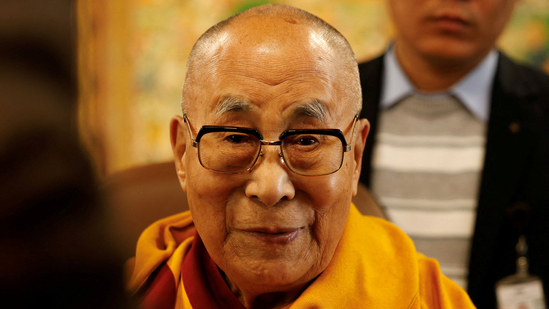
CNN Central News & Network–ITDC India Epress/ITDC News Bhopal: The question of how the Dalai Lama’s successor will be chosen has gained global attention as the current 14th Dalai Lama ages. Traditionally, the selection involves a spiritual and cultural process rooted in Tibetan Buddhist practices. Upon the death of a Dalai Lama, high-ranking monks, particularly from the Gelug school of Tibetan Buddhism, begin a search for his reincarnation, or tulku. This process can take years and includes visions, signs, and consultations with oracles. Monks travel across Tibet and beyond to identify a child who shows specific spiritual qualities or memories of the previous Dalai Lama’s life. The final selection is confirmed through rigorous rituals and testing.
However, in recent years, the Chinese government has insisted it will play a role in selecting the next Dalai Lama—a stance strongly opposed by the Tibetan community in exile. The Dalai Lama himself has indicated he may choose his successor before his death or that there may be no successor at all. This unfolding issue is not only spiritual but deeply political, with implications for Tibetan autonomy and international relations, particularly between China and India.
#DalaiLama, #DalaiLamaSuccessor, #TibetanBuddhism, #Reincarnation, #Tulku, #ChinaTibet, #SpiritualLeader, #BuddhistTradition