


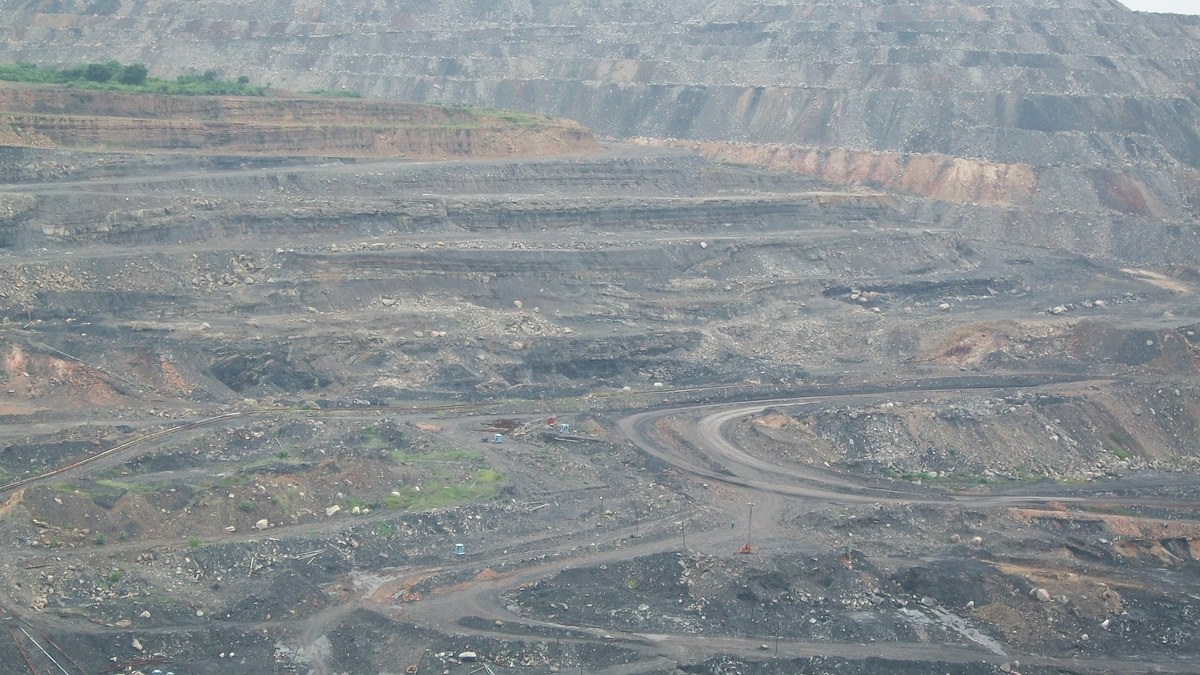
Adityamadhav83 / Wikimedia Commons (CC BY-SA 3.0). Cropped.
The Centre this week moved on two fronts of the same critical-minerals problem: offering more mineral blocks for auction, and paying to process what India still largely imports.
On 5 November in Goa, Coal and Mines Minister G. Kishan Reddy launched the ninth tranche of critical and strategic mineral auctions, offering 20 blocks across eight states, including Madhya Pradesh. A third tranche of exploration licences, 11 blocks in six states, opened the same day. Tender sales run into early January 2027. The ministry also cut the minimum technically qualified bidders needed in the second round for Part D minerals from three to two, a rule change aimed at blocks that earlier went unsold. Of 100 unique blocks offered in eight earlier tranches, 64 had been auctioned.
Separately, the Union Cabinet approved a ₹2,814 crore capital support scheme to build domestic lithium and nickel processing plants over five years. The plan backs four plants, two for each metal, with a 30% capital subsidy capped at ₹500 crore per lithium project and ₹900 crore per nickel project. Minimum capacities are set at 30,000 tonnes for lithium and 50,000 tonnes for nickel. Beneficiaries will be chosen through bidding for the lowest subsidy.
These are separate parts of India's effort to reduce mineral imports. The 20 blocks offered this week do not list lithium or nickel among their minerals. Their auction should not be mistaken for a source of feedstock for the four proposed plants.
Processing remains a bottleneck even when mining rights are available. The Federation of Indian Mineral Industries told The Hindu that reliable raw material supplies, from domestic mining and overseas sourcing, would be essential for the plants to succeed. The subsidy helps meet construction costs; it does not secure the ore.
Hashtags: #BusinessBeyondHeadlines #CriticalMinerals #Mining #Lithium #SelfReliance #GKishanReddy #Nickel #Auction #2814Crore #CriticalMineralsAuctionLithium




