


Ministry of Power / Press Information Bureau
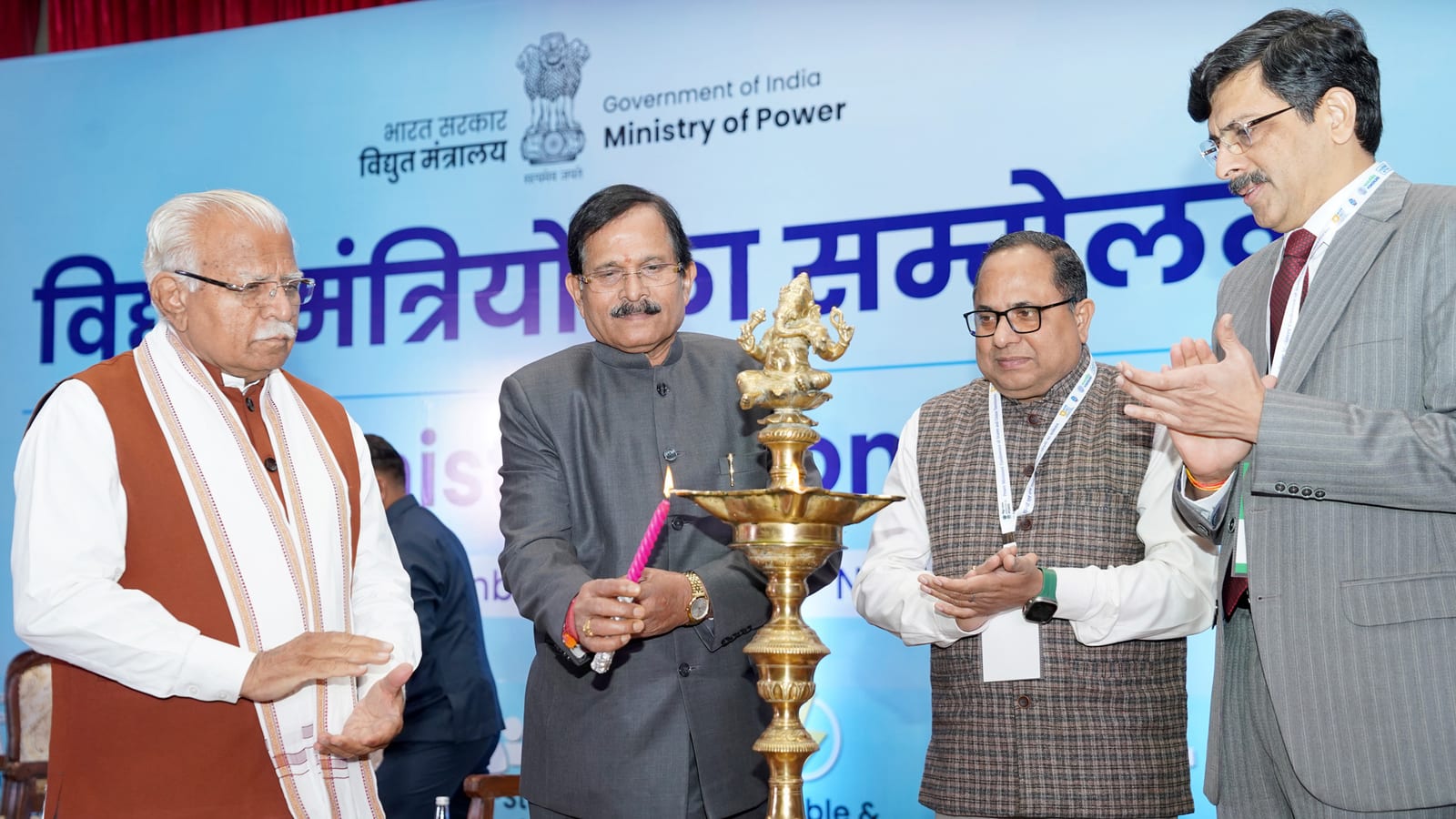
The figure announced at Friday’s Power Ministers’ Conference in Delhi is substantial: India has about 563 gigawatts of installed electricity capacity, and more than 55% is non-fossil, Power Secretary Pankaj Agarwal said. But installed capacity is what plants can produce under specified conditions. It does not tell us how much electricity they delivered, or how much will be available when demand is highest.
Consider a hot evening. Air conditioners may still be running as solar output falls. A distribution company can meet that demand with available generation, stored power or electricity brought in from elsewhere, but only if it has secured the supply and the network can carry it. That is why the conference’s discussion of storage, transmission and planning for peak demand matters as much as the headline capacity figure.
There is also a cost to buying too much insurance. Not every state needs the same battery capacity, and a new transmission line is a long-lived commitment. Utilities should compare the cost of storage, flexible supply contracts and shifting some usage away from peak hours before signing up households to pay for any one solution.
The Central Electricity Authority already publishes long-term planning work. State regulators could make the next step useful to consumers: show when shortages are most likely, what each proposed investment would do about them and what it would add to bills. The country should keep counting the capacity it builds. It should also show what that capacity can deliver when people need it.



