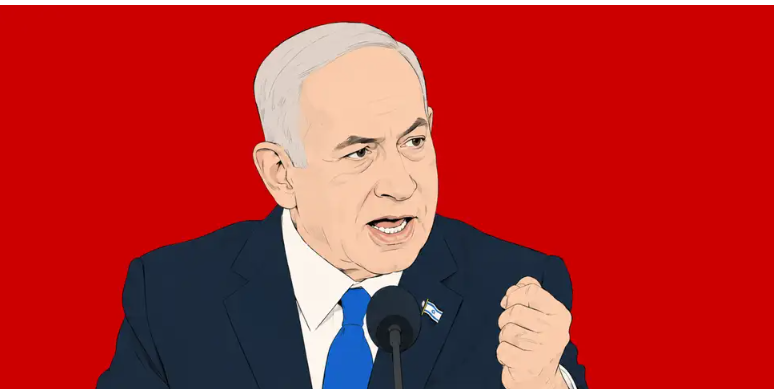
CNN Central News & Network–ITDC India Epress/ITDC News Bhopal: Israeli Prime Minister Benjamin Netanyahu is once again at the center of intense political uncertainty as Israel moves toward possible early elections amid a collapsing coalition government. His long-standing alliance with ultra-Orthodox and right-wing parties has come under severe strain, particularly over contentious issues such as military draft exemptions and governance reforms.
Recent developments indicate that the Israeli parliament has taken steps toward dissolving itself, opening the door for snap elections in the coming months. While Netanyahu remains a dominant political figure with strong personal popularity in parts of the electorate, polling suggests that his coalition bloc may struggle to secure the 61-seat majority required to form a stable government.
Opposition forces are also fragmented, which complicates any clear prediction about a post-election government. Analysts note that even if Netanyahu loses parliamentary control, he may still remain a key political player or head an interim administration depending on election outcomes and coalition negotiations.
The situation is further complicated by Netanyahu’s ongoing legal challenges and broader regional conflicts, including the Gaza war and tensions with Iran-backed groups. As a result, the question is not only whether Netanyahu will step down, but whether Israel’s political system can produce a stable alternative leadership in the near future.