


Ministry of Labour & Employment / PIB
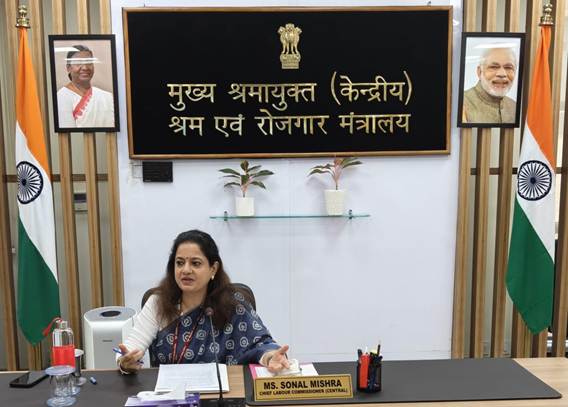
On a highway built in segments, an injured worker should not have to work out which firm was responsible for the stretch where he was hurt. That is the practical test for the conversation the Chief Labour Commissioner’s office opened with the National Highways Authority of India on 27 November.
The Labour Ministry’s account says officials discussed registering and licensing contractors and subcontractors on the spot. They stressed immediate accident reporting and asked NHAI to share its safety procedures. A working group involving two to four regional offices was discussed, not announced as a finished arrangement. Its proposed remit includes access to statutory benefits for women and workers who move between states.
Registration can establish who is on a site. It cannot tell a worker where to report an injury when the shift has moved down the road. NHAI should test a simple system on a few stretches: one site identifier, an up-to-date list of the contractors responsible, and one reporting channel that works across subcontractors. The nearest site office should post the contact where crews can see it, in languages they can read. Reports must reach the authorities through existing statutory channels; the project contact should make that process easier, not replace it.
Small subcontractors are right to resist duplicate forms. Reuse the records they are already required to keep, and ask them to report a change only once. Keep workers’ personal details out of any public dashboard.
The useful measure of a pilot is not how many firms attended a licensing drive. It is whether a worker can report an accident promptly and whether the project can show who followed it up.



