


Photo credit
ITDC Cinema
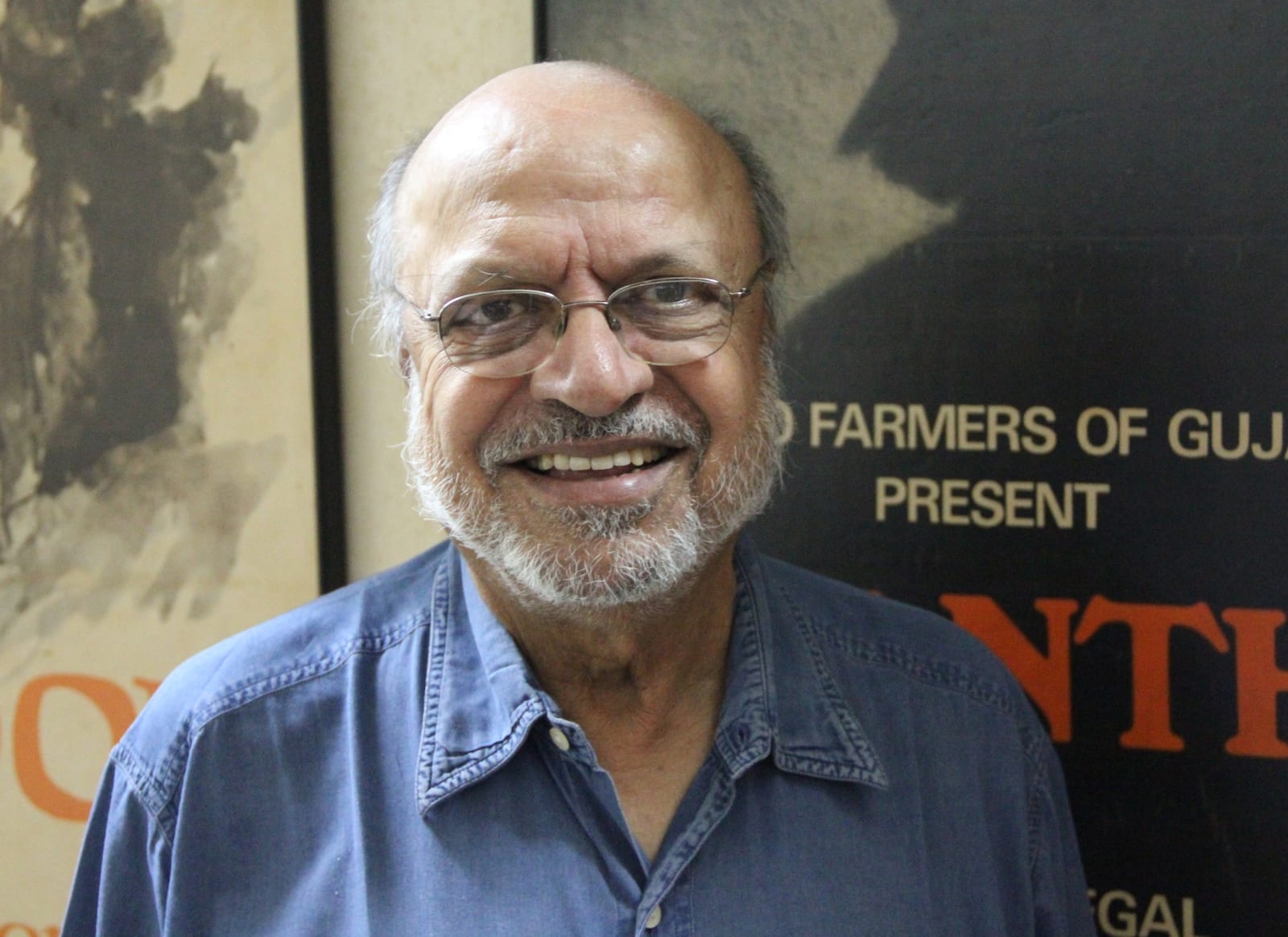
A film’s financing rarely becomes its most memorable credit. Manthan is an exception. Shyam Benegal’s 1976 drama was backed by 500,000 dairy farmers contributing two rupees each, a production story documented by Film Heritage Foundation and the Cannes Film Festival. The arithmetic is simple: five lakh contributions of two rupees amount to ten lakh rupees. The cultural implication is much larger: the people whose world inspired the film helped make it possible.
Manthan draws on the dairy cooperative movement associated with Verghese Kurien. It is a fictional film, rather than a documentary record of every person and event in that movement. This distinction is useful when discussing it. A drama can explore relationships, power and collective effort without functioning as a literal transcript of institutional history. Its financing, meanwhile, offers a separate and verifiable example of collective participation.
Reporting in The Indian Express describes Benegal’s earlier documentary work on Amul and Kurien’s role in finding a way to fund a feature. This was decades before online fundraising platforms made small contributions from large groups a familiar part of creative production. Cannes and Film Heritage Foundation describe Manthan as India’s first crowdfunded film. The precise comparison belongs to the Indian context; turning it into a claim about the first crowdfunded film anywhere would require a different historical investigation.
The arrangement makes the relationship between audience and producer unusually interesting. Usually, a viewer’s most visible financial contribution arrives at the ticket counter after the film exists. Here, a large group contributed to the conditions of production. That does not tell us that every contributor made artistic decisions or held identical legal rights. It does show why the funding story deserves more than a passing mention alongside the cast.
The film acquired another chapter when its restoration was presented at Cannes Classics in 2024. According to the festival’s technical credit, the restoration used the original 35mm camera negative held by NFDC–National Film Archive of India, with sound digitised from a release print preserved by Film Heritage Foundation. The Gujarat Co-operative Milk Marketing Federation funded the restoration, which involved specialist facilities and the participation of Benegal and cinematographer Govind Nihalani.
Those details matter because preservation involves materials and work, not simply admiration for an old title. A negative and a release print can contribute different things to recovering a film for new audiences. The later restoration also gives the story an appealing continuity: collective dairy institutions were involved in both bringing the film into being and helping it reach another generation.
Manthan’s two-rupee contribution remains an excellent piece of cinema history because it opens a larger question. Who gets to make a film possible? In this case, the answer extends far beyond one office, one financier or one celebrated name.




