


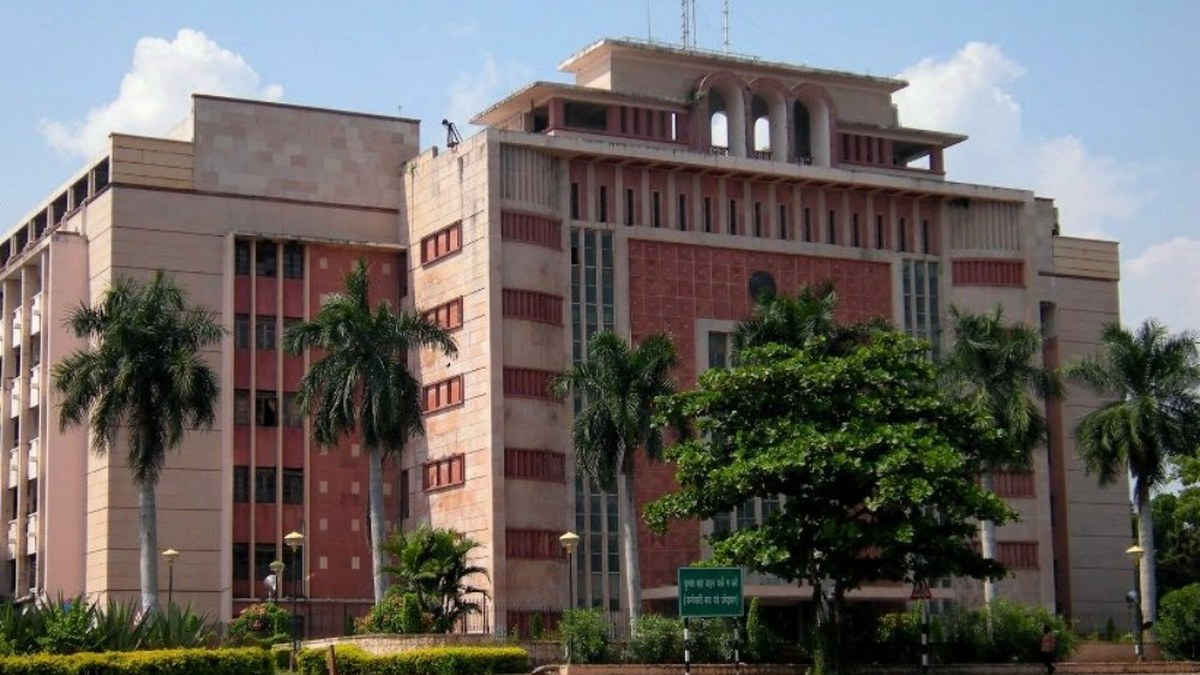
Vivek Sarje / Wikimedia Commons (CC BY-SA 4.0). Cropped.
Five months after Chief Minister Mohan Yadav ordered the two-child condition for government jobs to be dropped, the rule is still on Madhya Pradesh's books, and a Supreme Court observation last week has put the delay back in focus.
On November 4, a bench of Justices P S Narasimha and Alok Aradhe referred the court's 2003 judgment in Javed v State of Haryana, which upheld barring people with more than two children from panchayat posts, to a larger bench. "We are of the strong opinion that laws that penalise having more than two children have lost their relevance," the bench said, noting that India's fertility rate has fallen to 1.9, below the replacement level of 2.1.
That case is about local body elections, not jobs. But its reasoning lands close to home. Under the Madhya Pradesh Civil Services (General Conditions of Service) Rules, 1961, a candidate with more than two living children on or after January 26, 2001 is ineligible for government service. The conduct rules of 1965 treat a third child born to a serving employee as misconduct.
In June, the Chief Minister told the General Administration Department to remove the provision from a draft of revised service rules and publish a new version. According to a Naidunia report on November 5, the amendment has since gone from a committee of senior secretaries headed by the Chief Secretary to legal opinion, and has not reached the Cabinet. The proposal would also stop serving employees from being removed for a third child.
The wait has a human cost. Employees in school education, higher education and medical education have lost their jobs under the rule, the report said. Until an amendment is notified, the 2001 condition continues to apply.
Hashtags: #MadhyaPradesh #GovernmentJobs #SupremeCourt #TwoChildNorm #MadhyaPradeshCivilServices #SupremeCourtJaved #MPTwoChildRule #PoliticsAdministration #Bhopal #FiveMonthsAfterScrap




