


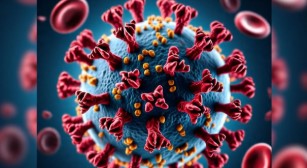
A new coronavirus variant, PJ.2.1, is currently under discussion. The World Health Organization (WHO) has warned that the symptoms of infection with this variant may be quite similar to those of common flu or other respiratory infections. In such a situation, it is difficult to determine only by looking at symptoms whether a person has Covid or another viral infection. Testing as needed may be necessary for correct identification of the infection.
PJ.2.1 is a new lineage of the SARS-CoV-2 virus. Cases are reported to have emerged in 2026 in some countries, including Canada and the United States. WHO has said it is monitoring its spread. According to the organization, the symptoms of Covid-19, influenza and other respiratory infections can overlap. Therefore, the cause of illness cannot be confirmed on the basis of symptoms alone.
What the symptoms may be
Possible symptoms associated with this variant include fever, sore throat, cough, runny or blocked nose, headache, body ache and fatigue. Russian infectious disease specialist Elena Malinnikova has mentioned severe throat pain and fatigue that can persist for a long time after the illness. However, these symptoms are not a definite identification of PJ.2.1 and it is not necessary that they appear in every patient.
Routine tests do not identify the variant
A Covid PCR or rapid antigen test can help confirm infection, but it does not show which variant caused the infection. Genome sequencing is needed for specific identification of PJ.2.1. WHO says testing is important when correct identification of an infection may affect treatment or public health decisions.
Elderly people, those with weak immunity and patients struggling with serious illnesses should take special precautions. Seek medical advice in case of persistent fever, cough or severe throat pain. Go to hospital immediately if there is difficulty in breathing or persistent chest pain.
Hashtags: #Health #Bhopal #Coronavirus #New #Variant #Discussion #Tests #Needed #Identification #NewCoronavirusVariantPJ



