


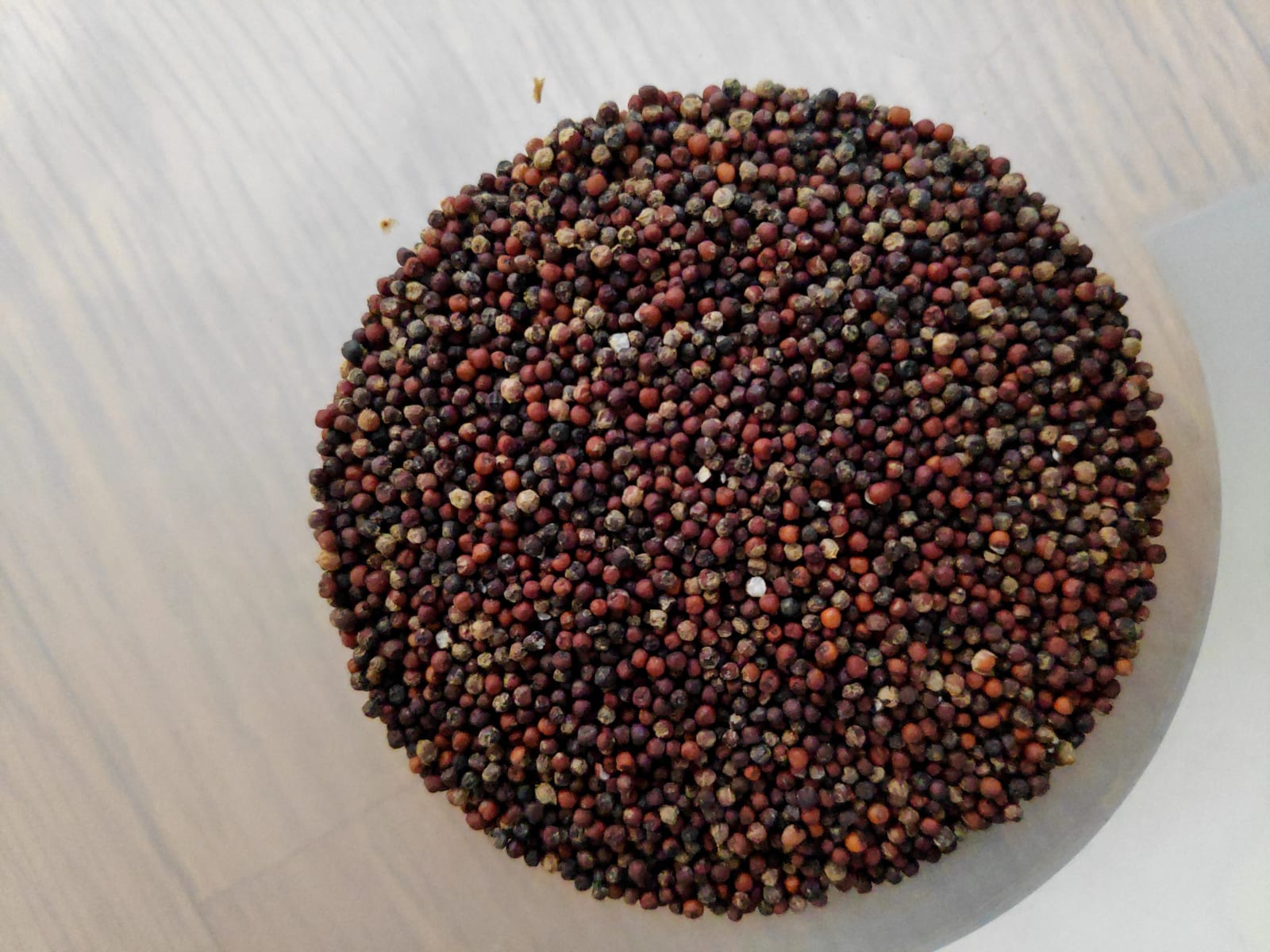
Gaurav Dhwaj Khadka / CC BY 4.0
The millet roadmap discussed in Bhubaneswar on November 10 offers Odisha an opportunity, provided farmers are not left carrying the commercial risk. According to the Agriculture Ministry, ICAR chief Mangi Lal Jat urged expansion of millet cultivation from 1.79 lakh hectares to five lakh hectares by 2047. Before chasing acreage, the state should make selling the harvest dependable.
A farmer deciding what to sow needs to know who will buy, what quality will be accepted and when payment will arrive. Procurement calendars, accessible collection centres and published payment timelines would make that decision less speculative. Support for processing should connect growers with repeat customers, rather than merely finance machines.
The official discussion recognised affordable processing, farmer producer organisations and women’s self-help groups. Those priorities deserve follow-through: transparent contracts, working capital and training that enables enterprises to meet food-safety requirements. Public nutrition programmes could provide steady demand where menus, preparation capacity and local preferences support it.
The objection is legitimate. Guaranteed buying can create unwanted stocks, strain budgets and encourage production without demand. Millets should not acquire an expensive procurement system whose success is measured by warehouses filled. Purchases should therefore follow assessed consumption needs, with pilot programmes evaluated before expansion.
Odisha should publish district-level results covering sales, payment delays, processing costs and repeat orders. Farmers must retain the choice of crop and buyer. The test of this roadmap is whether cultivating millets becomes a dependable livelihood, with public spending judged by useful meals and reliable earnings rather than acreage alone.




