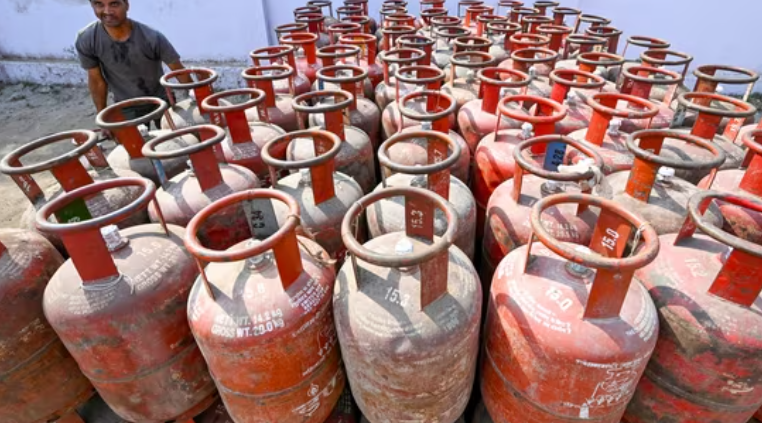
CNN Central News & Network–ITDC India Epress/ITDC News Bhopal: The ongoing tensions in the Strait of Hormuz have exposed critical vulnerabilities in global energy supply chains, particularly affecting liquefied petroleum gas (LPG) cylinders in many regions. As crude oil and LPG shipments face disruptions due to maritime chokepoint pressures, Piped Natural Gas (PNG) systems are proving more resilient and reliable for urban households, industries, and commercial consumers.
Unlike LPG cylinders that require physical transportation, storage, and distribution — often hindered by rising fuel costs, logistical delays, and port congestions — PNG arrives through existing pipeline infrastructure directly to homes and businesses. This direct delivery model reduces dependency on imported fuels, cuts costs, improves safety, and ensures consistent energy access even during geopolitical upheavals. Countries investing in PNG infrastructure benefit from energy security, lower environmental emissions, and reduced exposure to international market volatility.
With LPG prices surging due to shipment slowdowns around the Hormuz passage, more consumers and policymakers are considering accelerated PNG expansion to mitigate future energy shocks. This shift highlights how diversified energy delivery systems can cushion economies against global supply chain shocks and offer long‑term stability for both residential and industrial energy needs.
#PNG #LPG #PipedNaturalGas #LiquefiedPetroleumGas #StraitOfHormuz #EnergySupply #FuelCrisis #GasInfrastructure #EnergySecurity