


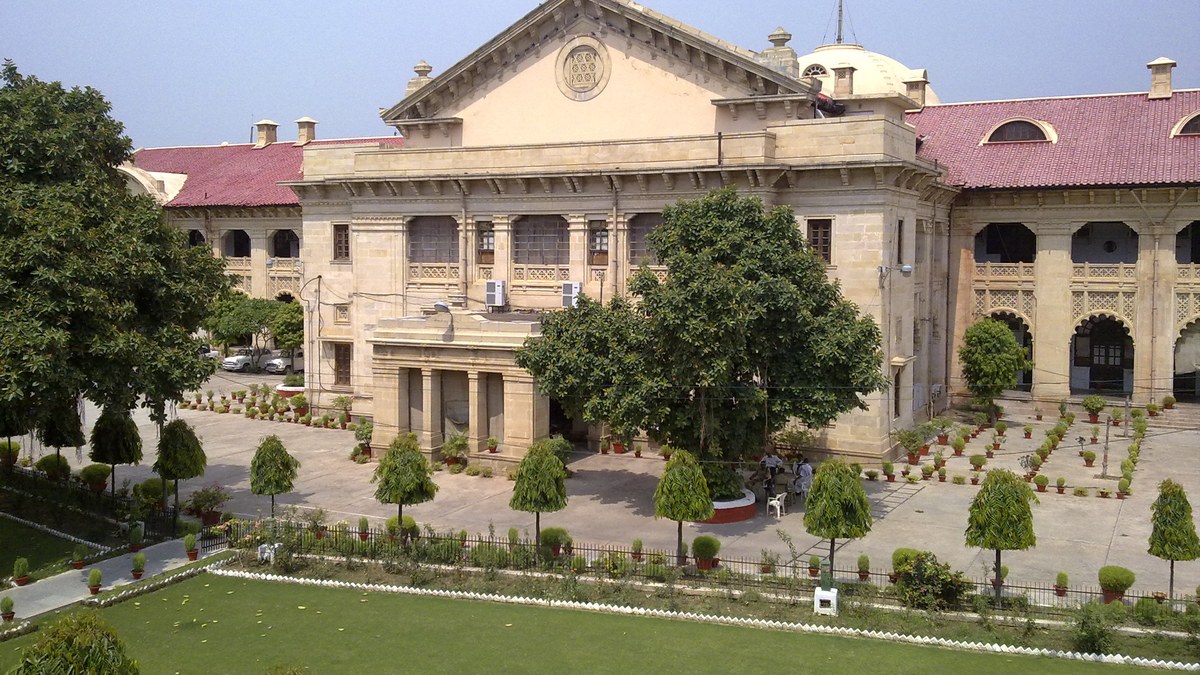
Vroomtrapit at English Wikipedia / Wikimedia Commons (CC0). Cropped.
Insubordination by a judicial officer does not by itself make her integrity doubtful, the Supreme Court has indicated, dismissing a challenge by the Allahabad High Court administration over an adverse remark in a civil judge's confidential report.
A bench of Chief Justice Surya Kant, Justice Joymalya Bagchi and Justice V Mohana refused to entertain the plea, LiveLaw reported on Monday. The court noted that the officer had good service records for 2013 to 2019 and from 2020-21 onwards.
The dispute concerns 2019-20, when she was an Additional Civil Judge in Ghaziabad. Her District Judge marked her integrity as "doubtful" in her annual confidential report, citing oral complaints from advocates about her behaviour and rudeness. The High Court administration said she had refused in writing to do work assigned by the Chief Judicial Magistrate and had complained against him. On its judicial side, the High Court found nothing on record to support a finding of poor integrity.
During the hearing, Justice Bagchi said integrity relates to dishonesty and extraneous considerations, while insubordination is a matter of temperament. "A person can't become dishonest for 1 year and honest for all other years," the Chief Justice remarked. Justice Bagchi said a report could properly record that an officer's conduct with the Bar was poor.
The bench also declined to keep other action against the officer open, saying a model employer should leave it at that once its warning had led to improvement.
The words in a confidential report carry weight. Days earlier, another Supreme Court bench held that adverse entries can support compulsory retirement even if they were never communicated to the employee.
Hashtags: #SupremeCourt #ServiceLaw #Judiciary #ACR #Integrity #JudicialOfficer #AllahabadHighCourt #SupremeCourtIntegrityInsubordination #LegalCrime #NewDelhi




