


Bhopal:
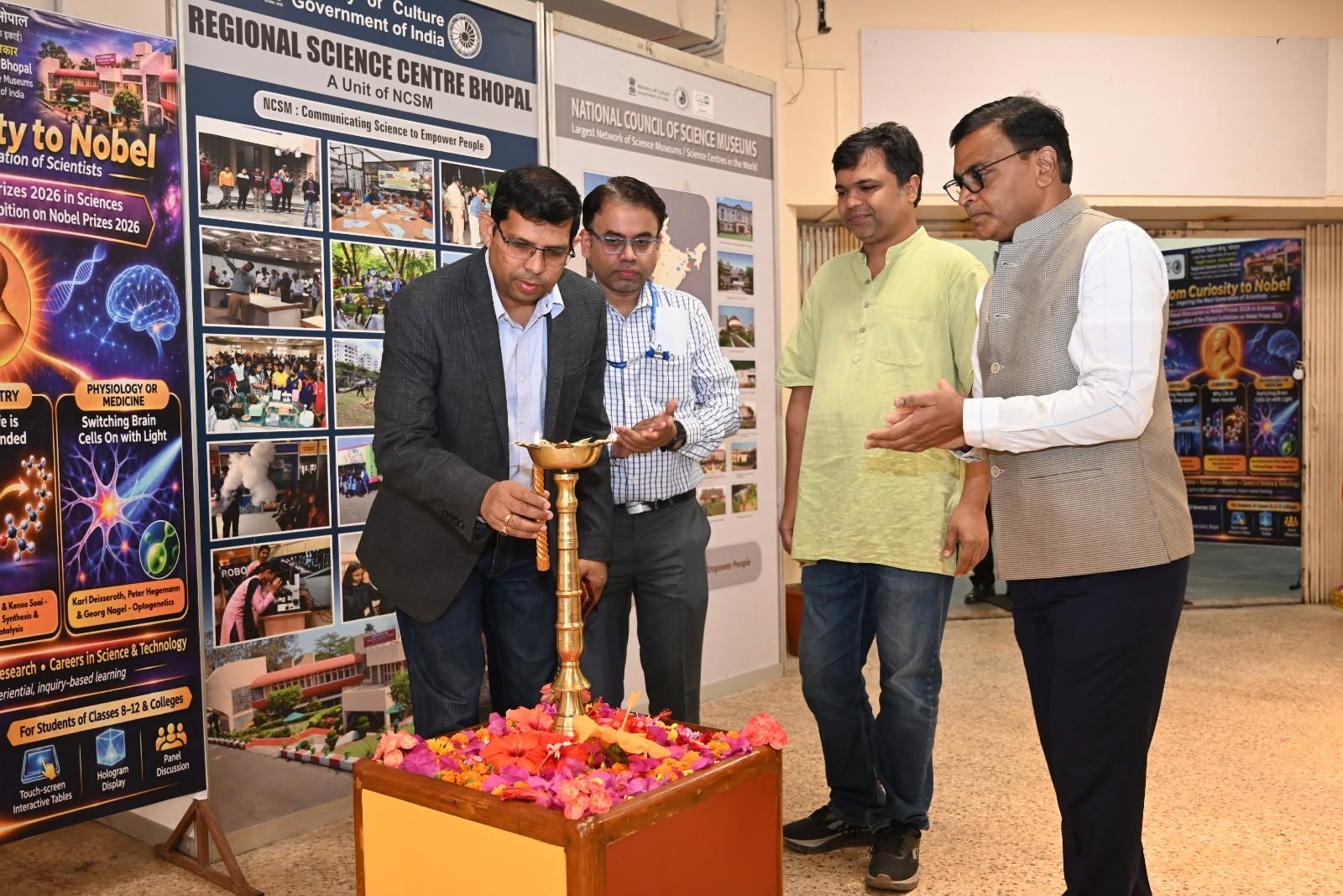
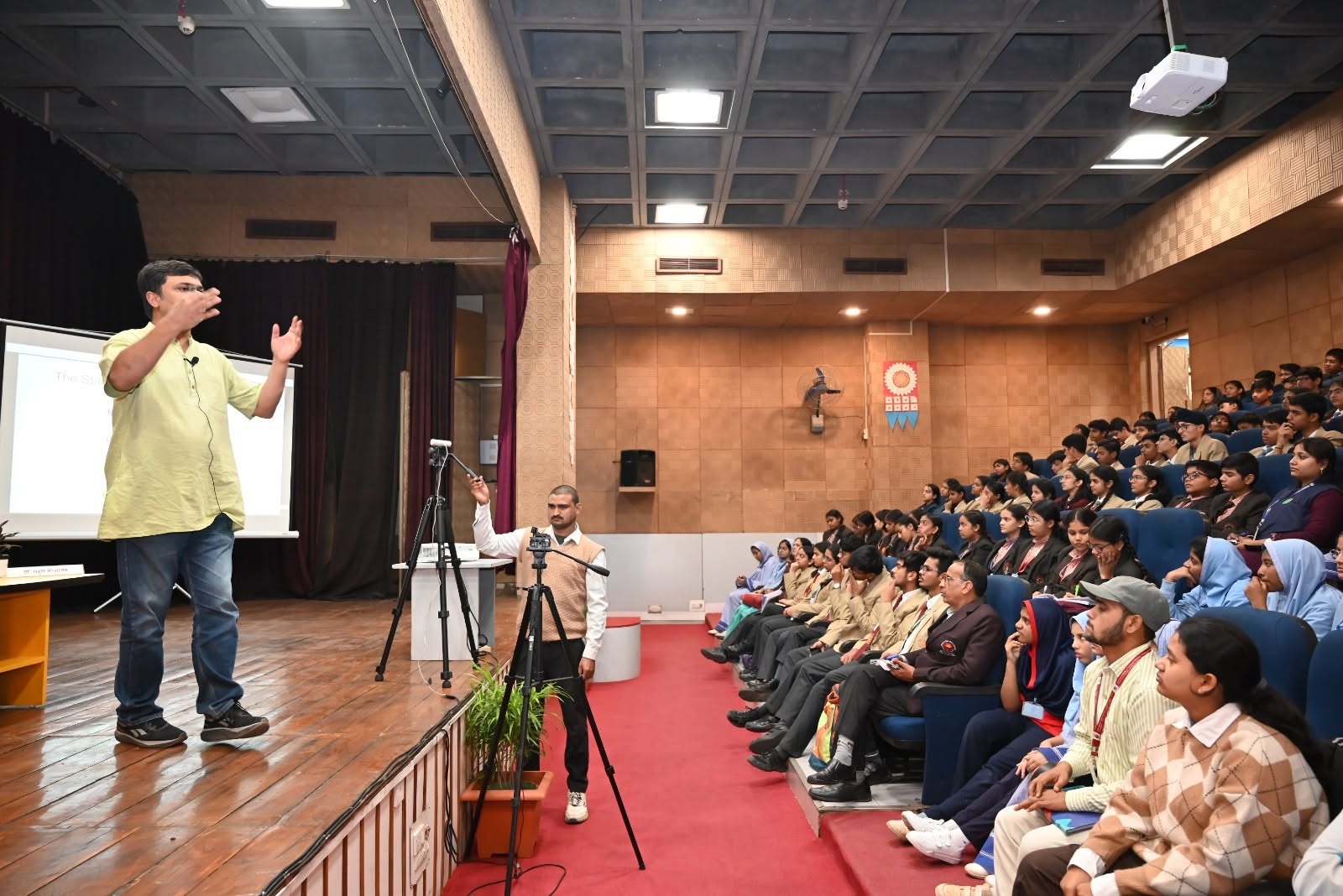
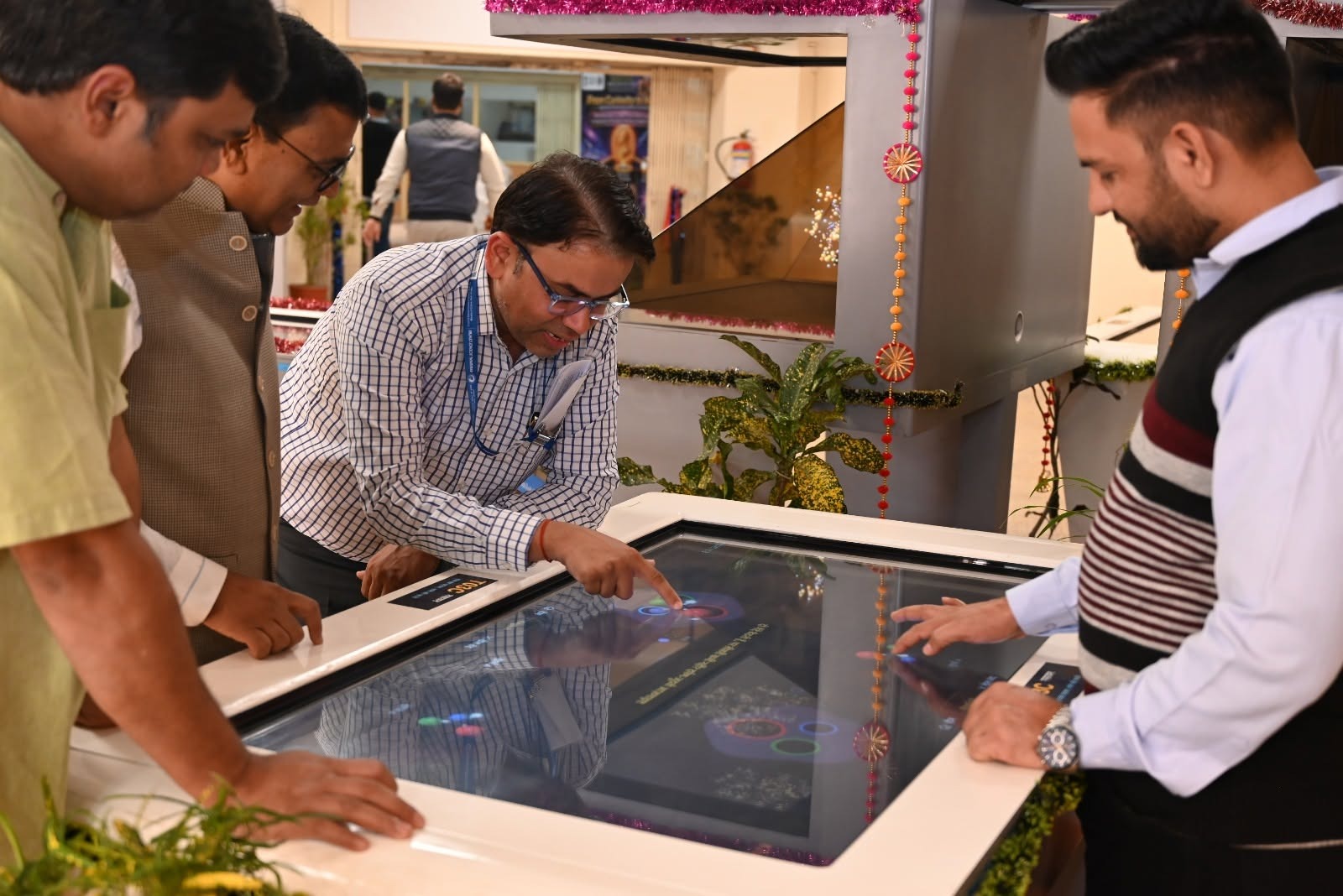
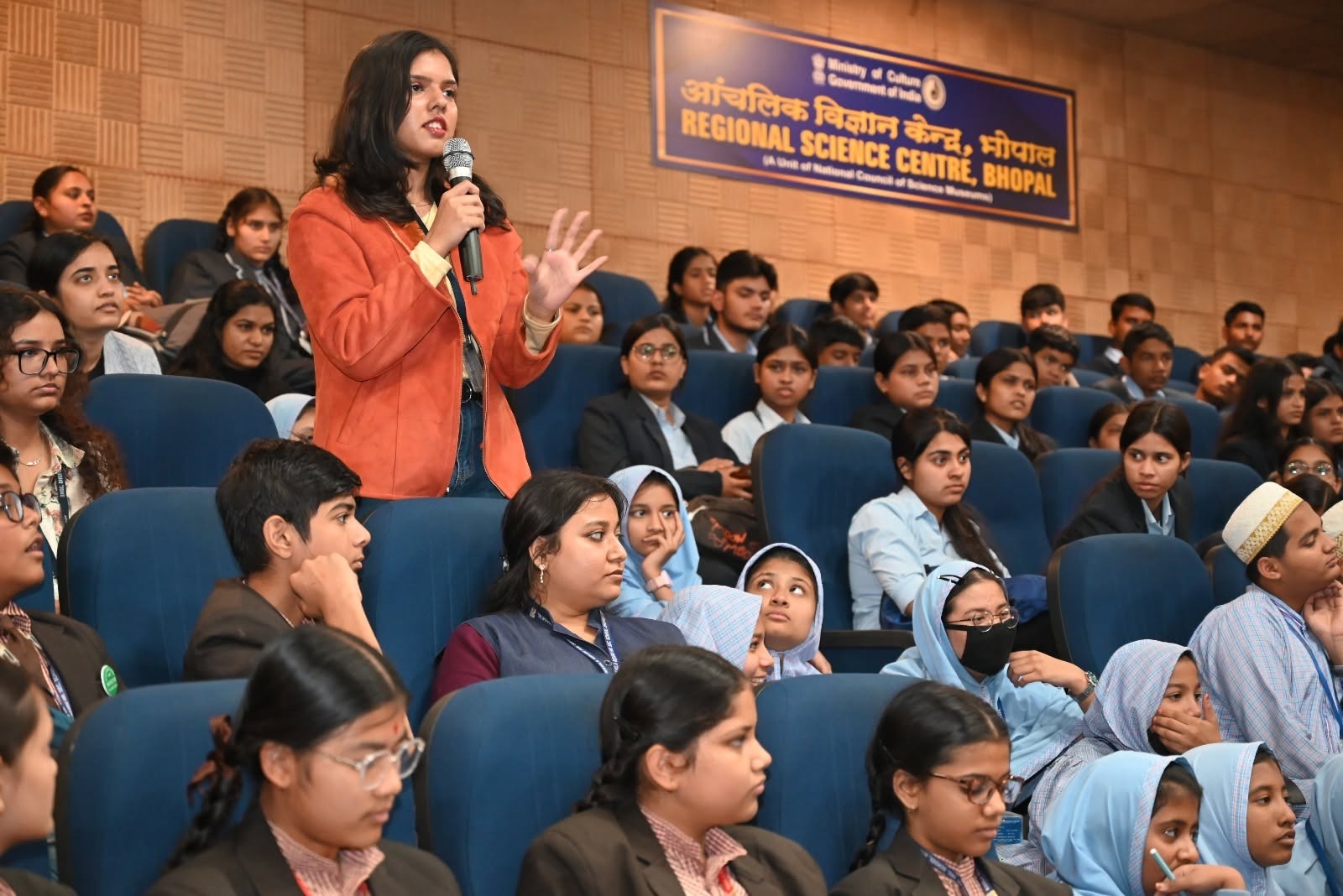
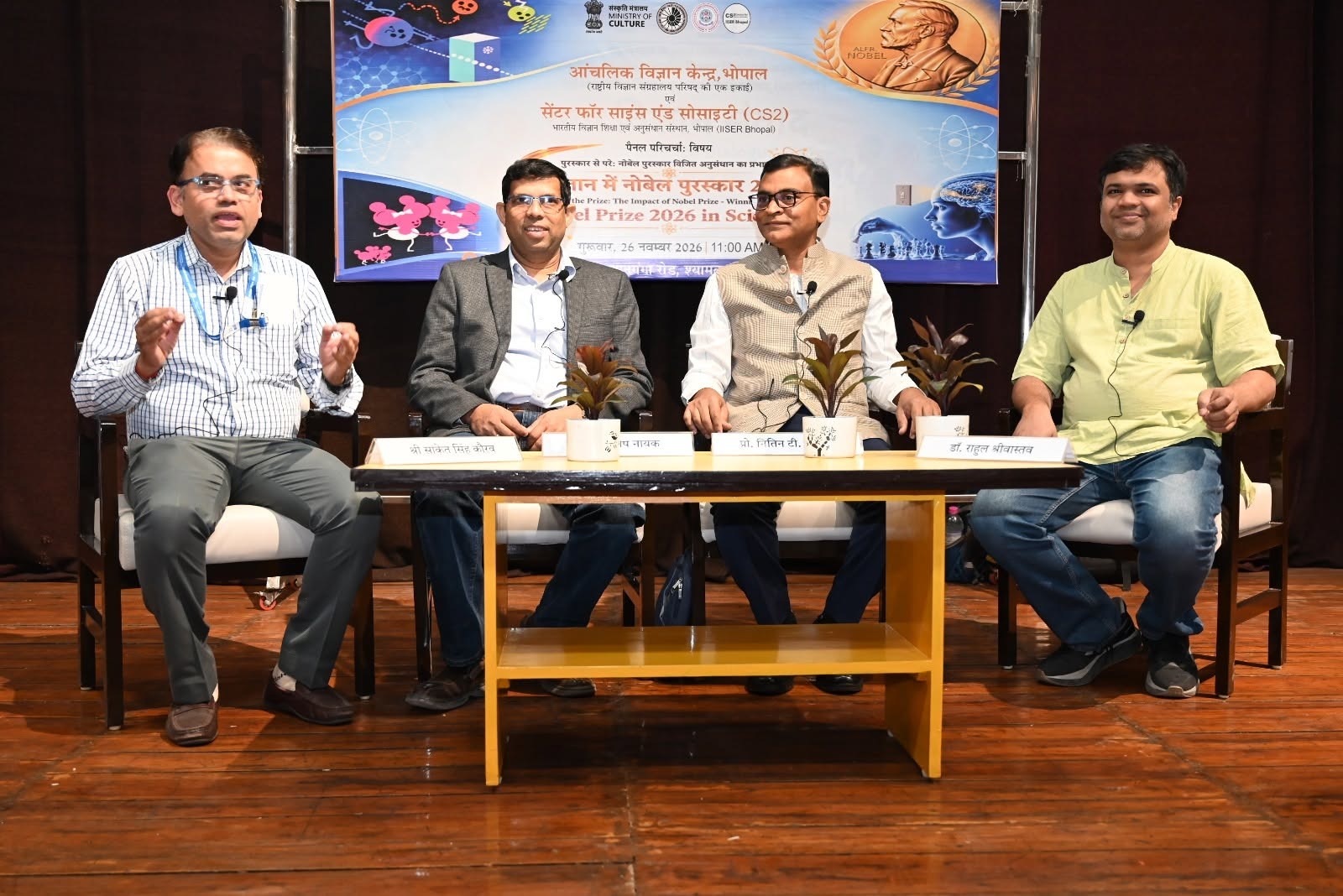
The Regional Science Centre, Bhopal, a unit of the National Council of Science Museums, organised a special programme in collaboration with the Centre for Science and Society (CS2) of the Indian Institute of Science Education and Research (IISER), Bhopal, to mark the 2026 Nobel Prizes in Science. The event featured the inauguration of a digital exhibition titled “Seeing the Unseen: Nobel Prize in Science 2026” and a panel discussion on “Beyond the Prize: The Impact of Nobel Prize-Winning Research.” The digital exhibition was inaugurated by Prof. Nitin T. Patil from the Department of Chemistry at IISER Bhopal. Dr. Debashish Nayak, Associate Professor in the Department of Biology, and Dr. Rahul Srivastava, Associate Professor in the Department of Physics, were also present. Through interactive games, quizzes and engaging activities, the exhibition aims to help visitors understand the research and achievements recognised by the 2026 science Nobel Prizes in a simple and accessible manner. During the panel discussion, the three experts explained Nobel-recognised research across different scientific disciplines and highlighted its relevance to human life and society. Prof. Patil discussed research in chemistry and explained the properties of chiral organic molecules, highlighting how two structural forms of a molecule can behave differently in the human body and influence the effects and absorption of medicines. He used familiar examples, including ibuprofen, cetirizine and glucon-D, to explain the relationship between molecular structure and biological activity. Dr. Nayak spoke about research related to the Nobel Prize in Physiology or Medicine, explaining how experiments involving algae and frogs contributed to scientific understanding of controlling brain-cell activity through light. He described the technique of activating and deactivating neurons using light and discussed its scientific and medical significance. Dr. Srivastava presented research associated with the Nobel Prize in Physics, beginning with the structure of atoms and the particles present in their nuclei. He explained the properties and different types of elementary particles, including neutrinos, and highlighted their importance in understanding the fundamental building blocks of matter and the universe. The panel discussion was moderated by Saket Singh Kaurav, Principal Curator and Head of the Regional Science Centre, Bhopal. Students actively participated in the session by raising questions about scientific concepts and research, which the experts answered in detail using simple explanations. The interactive exchange provided students with an opportunity to deepen their understanding of science and develop an interest in research. The programme aimed to familiarise students and the general public with the significance of Nobel Prize-winning research, its social impact and its contribution to human life. Through the exhibition and discussion, participants gained an opportunity to explore scientific achievements, innovations and future research possibilities. The initiative reaffirmed the Regional Science Centre, Bhopal’s commitment to promoting scientific temper, curiosity and a spirit of research among students and the wider public.
Hashtags: #MadhyaPradeshState #Bhopal #Science #Nobel #Prize #2026 #Programme #Exhibition #Inaugurated #ScienceNobelPrize2026



