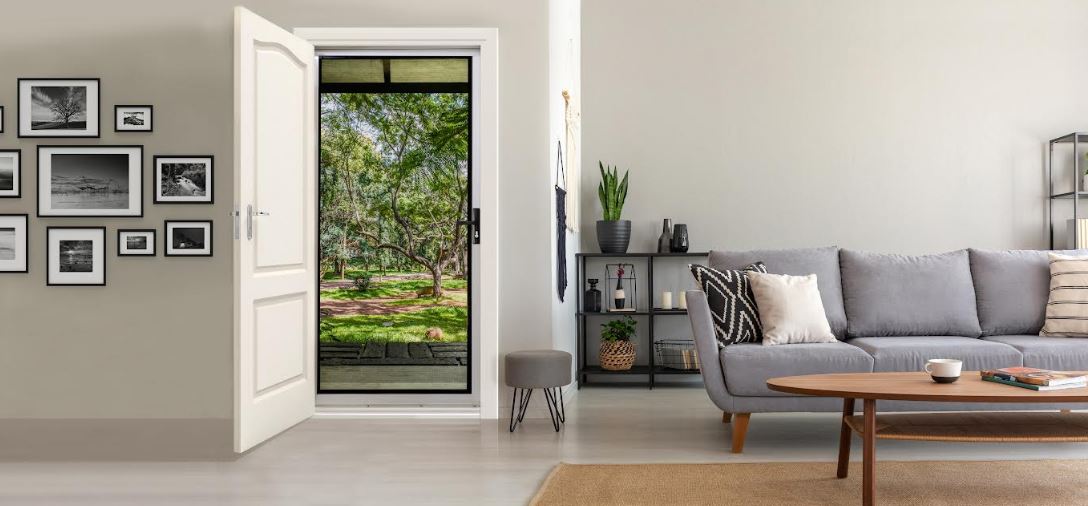
CNN Central News & Network–ITDC India Epress/ITDC News Bhopal: India’s residential real estate market is currently navigating a structural transformation that is as much about psychology as it is about engineering. As cities like Bengaluru, Hyderabad, Pune, and Mumbai continue to expand, the definition of a “secure home” is being rewritten. Whether in high-density multi-storey apartments or sprawling independent villas, security is no longer an afterthought. It is being integrated at the initial drawing board, a shift that is fundamentally changing how the industry perceives doors, windows, balconies, and facades. This evolution marks the convergence of two previously competing forces: uncompromising safety and Biophilic Design.
The Voices of Change: National Summits and Professional Discourse
This is not a quiet shift; it is a loud conversation occurring at the highest levels of the profession. Over the last 24 months, national platforms such as the Indian Housing Summits and the 2025 CPTED (Crime Prevention Through Environmental Design) Conference, as well as various institutional webinars hosted by architectural bodies, have featured leading designers and urban planners advocating for a “New Urban Envelope.”
At these forums, the consensus has been clear: the “Iron Cage” era of Indian architecture is over. Speakers have highlighted that traditional MS (Mild Steel) grills are no longer just an aesthetic eyesore; they are an architectural failure that severs the connection between the resident and the natural environment. These thought leaders are advocating for a transition toward “Passive Security,” which involves solutions that protect the home without compromising the biophilic benefits of light and air.
The Economic and Biological Value of “Breathable” Homes
Biophilic design, the deliberate integration of natural light, fresh air, and outdoor connectivity, has moved from a luxury “ask” to a mainstream requirement. According to the JLL Residential Dynamics Report (Q4 2025), apartments and independent homes priced above ₹1 Crore now command a dominant 63% share of total annual sales in India’s top seven cities.
This premium segment is driven by a quest for wellness. Research consistently demonstrates that sustained access to natural light and fresh air can reduce urban stress levels by up to 20%. For residents who spend the majority of their time indoors, these elements are essential to the quality of life. Projects that successfully prioritize “breathability” now command a 10–15% price premium, as buyers reject the visual heaviness of traditional bars in favour of seamless indoor-outdoor connectivity.
#SecurityDesign #UrbanHomes #SmartHousing #ModernArchitecture #SecureLiving #SmartCitiesIndia #ResidentialDesign #LuxuryHomes #UrbanDevelopment #IntegratedTownships #HousingTrends #FutureHomes #HomeSecurity #IndianRealEstate #ArchitectureIndia