


Bhopal:
Cancer treatment may be entering a new phase as researchers explore the use of high-intensity focused ultrasound to destroy tumour cells without conventional surgery. A technology known as Histotripsy uses precisely targeted sound waves to break down tumour tissue through mechanical action. The emerging approach is attracting attention because it may offer a less invasive option for selected cancer patients.
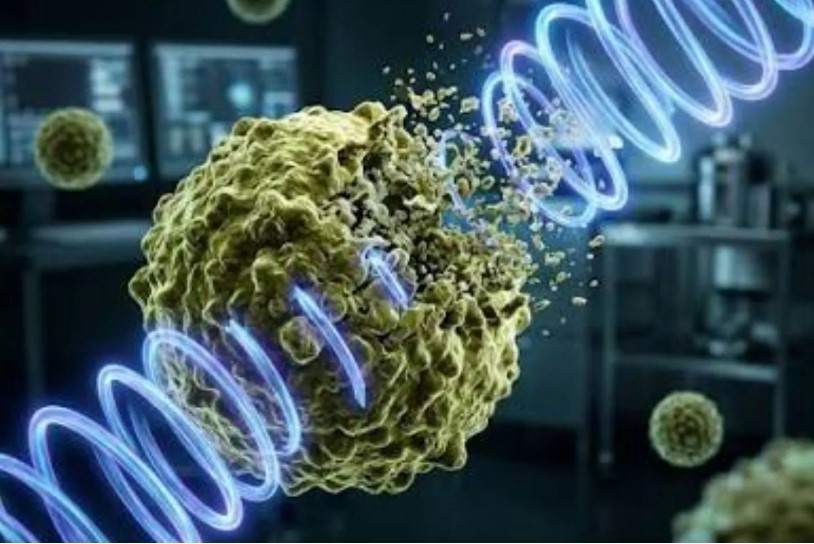
Unlike conventional treatments that use heat or radiation, histotripsy generates microscopic bubbles inside targeted tissue. These bubbles rapidly expand and collapse, creating mechanical forces that break tumour cells into tiny fragments. The body's natural processes can gradually absorb the resulting cellular debris.
How Does Ultrasound Attack Cancer Cells?
The technology uses specialised equipment to focus high-energy ultrasound pulses on a specific tumour. Doctors monitor the treatment through imaging to direct the energy towards the intended area while limiting damage to surrounding tissues.
Researchers are particularly interested in its potential application in liver cancer. The United States Food and Drug Administration cleared a histotripsy system for treating selected liver tumours in 2023. However, this regulatory clearance does not mean that the technology is suitable for every cancer patient or every type of tumour.
Can It Replace Surgery, Chemotherapy or Radiation?
Not yet. Early clinical studies have demonstrated promising technical results and encouraging short-term outcomes in selected patients, but researchers are still studying its long-term effectiveness, safety and ability to prevent cancer recurrence.
Scientists are also investigating whether tumour destruction through ultrasound can stimulate the body's immune response and improve the effectiveness of immunotherapy. These possibilities remain under clinical investigation.
A Promising Development, But More Research Needed
Histotripsy is being explored for cancers affecting organs beyond the liver, including the pancreas, kidneys and brain. However, its use in these areas remains largely experimental.
Medical experts emphasise that patients should not discontinue prescribed cancer treatment or consider ultrasound a proven cure. Its role will depend on further clinical trials, tumour characteristics and individual patient conditions. The technology represents an important area of cancer research, but established treatments remain essential to cancer care.
Hashtags: #ScienceTechnology #Bhopal #Sound #Waves #Could #Destroy #Cancer #Cells #Ultrasound #SoundWavesCouldDestroy



