


Oleg Yunakov / CC BY-SA 4.0
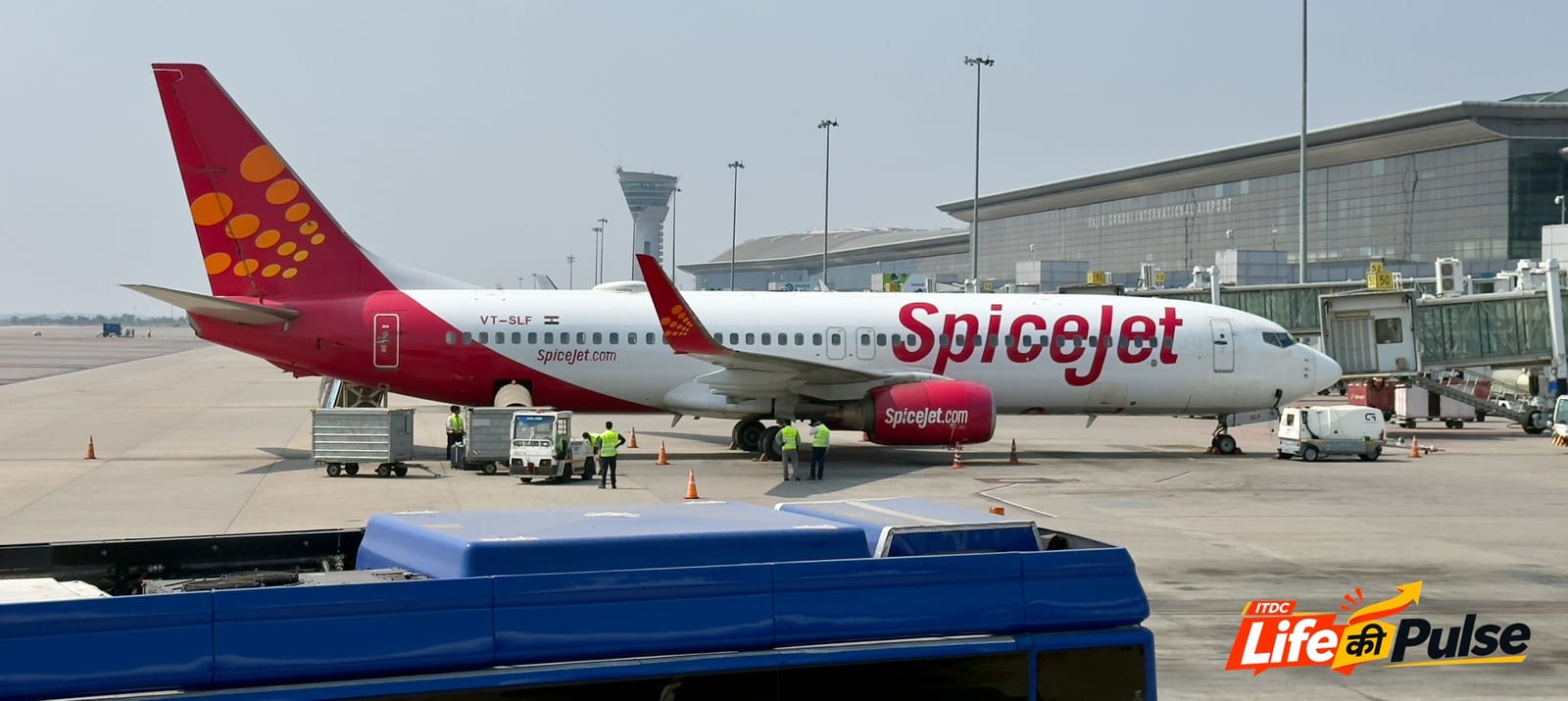
SpiceJet has approved a plan to raise up to ₹5,500 crore, but that board decision is not money in the bank or a promise that a cancelled journey will resume. Its November 18 filing makes the proposal subject to shareholder and regulatory approvals. The airline says it is discussing investment and wants to restore its network.
The gap matters at the departure gate. The Economic Times reported on November 19 that SpiceJet was operating barely 15 flights a day against around 66 approved in its winter schedule. Those are the newspaper’s reported figures, not a live flight-status count.
There is a parallel story in Dubai. On November 17, Dubai Airports chief executive Paul Griffiths told Khaleej Times that the airport was working with the airline to resolve its financial difficulties. He expressed hope for stability; that was not a confirmation that services had normalised.
Meanwhile, an Indian Express analysis of Cirium data published on November 19 found 195,774 domestic flights scheduled across India for November–December, 3.5% fewer than a year earlier. Scheduled seats were down only 0.5%, to 35.51 million, reflecting larger or more densely configured aircraft. These are published schedules, not the final number of flights actually operated.
The two developments should not be conflated: SpiceJet alone does not explain the nationwide reduction. Together, however, they show why capacity and convenience are different things. Nearly as many seats can coexist with fewer departure choices, while a proposed financial recovery still leaves passengers waiting for an operational one.
Hashtags: #LifeकीPulse #LifeKiPulse #SpiceJet #IndianAviation #WinterFlights #DomesticAviation #PassengerTravel #SpiceJetWinterFlightTimetable #NationalIndia #India




