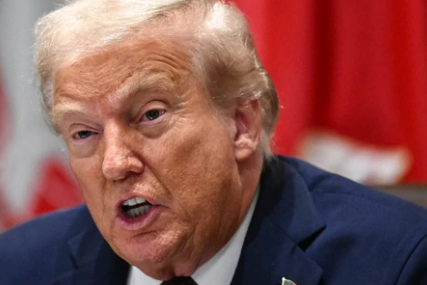
CNN Central News & Network–ITDC India Epress/ITDC News Bhopal: President Donald Trump authorized a U.S. military strike on a vessel in the Caribbean, killing 11 individuals. The boat was reportedly carrying narcotics linked to the Tren de Aragua gang, designated a Foreign Terrorist Organization by the U.S. administration. Trump defended the strike, calling the suspects “narcoterrorists” and emphasizing that the drugs posed an imminent threat to U.S. security.
However, legal experts and some lawmakers are questioning whether the strike exceeded presidential authority. Critics argue that the individuals on the boat did not pose a direct threat to the United States, raising concerns over the use of lethal force without congressional approval. The operation has ignited a debate over the limits of executive power in countering transnational criminal organizations and narcoterrorism.
International law experts also highlight potential ramifications, warning that unilateral military action outside U.S. borders could set a precedent for future operations, potentially complicating diplomatic relations. While the administration frames the strike as a necessary counter-drug measure, the incident underscores the tension between national security imperatives and legal constraints. The strike continues to spark discussions on oversight, accountability, and the balance between combating organized crime and adhering to domestic and international law.
#Trump #CaribbeanBoatStrike #USMilitary #TrenDeAragua #Narcoterrorism #PresidentialAuthority #InternationalLaw #DrugCartels #MilitaryAction #LegalDebate #USPolitics #ExecutivePower #CounterNarcotics