


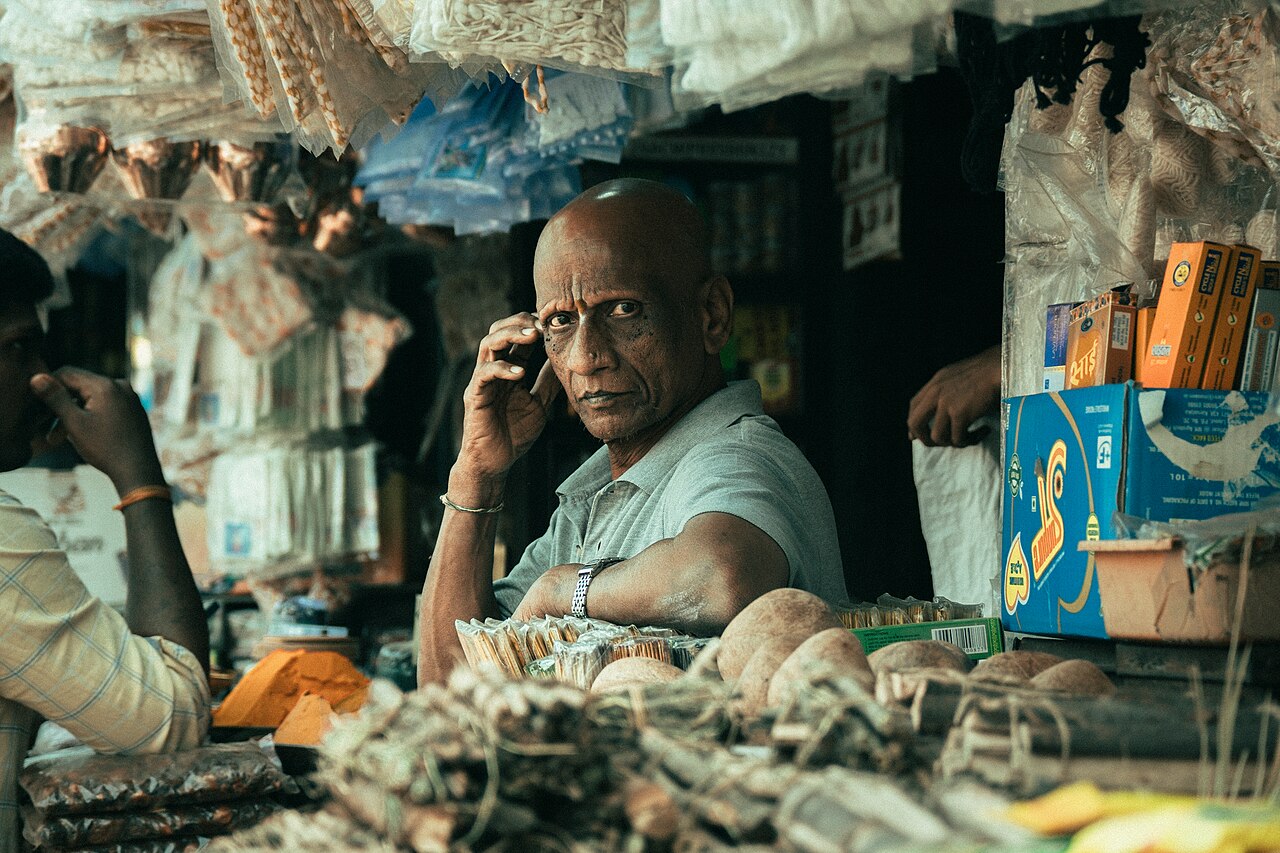
Photo credit
A neighbourhood shop can be busy without selling anything online. That simple fact should guide India’s new push to modernise official statistics.
On 4 November, the Union Cabinet approved ₹4,371.10 crore for VISTAR, covering FY2026–27 to FY2030–31. The programme includes stronger state statistical systems and an eighth Economic Census. It also proposes using mobile-phone, scanner and e-commerce data to complement traditional surveys. That last word matters.
Faster information has real value. A district facing a slowdown should not have to wait for a distant national average to reveal it. Digital records could reduce repeated questionnaires and help officials notice changes earlier. Dismissing these tools would waste an opportunity to make public decisions better informed.
Yet speed cannot settle whom the numbers represent. A cash-paid worker, an enterprise operating from home or a shop with little digital activity must not disappear from the picture. Before new sources shape policy, their coverage should be tested against representative surveys, with limitations explained publicly.
The scheme’s stated commitment to privacy by design is welcome. It needs practical safeguards: protected individual records, clear rules for access and published explanations of how estimates are produced. The UN’s statistical principles already place professional judgment, transparency and confidentiality at the centre of public trust.
VISTAR should therefore be judged by whether local statistics become more timely, reliable and usable, including for people outside government. For a worker seeking training or a small business needing support, being counted accurately can influence whether a policy recognises their needs at all.




