CNN Central News & Network-ITDC India Epress/ITDC News Bhopal: Why do wounds not heal in diabetes? New research raises hope for treatment
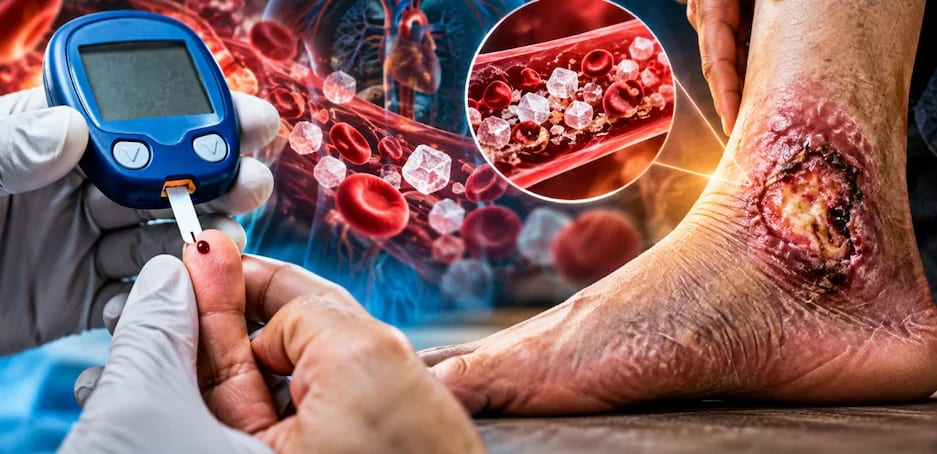
New Delhi. In patients with diabetes, even a minor injury can sometimes become a serious problem. Wounds, especially those on the feet, often do not heal for a long time, and in some cases, worsening infection can lead to a situation where the foot or toes may have to be amputated. Scientists have now made important progress in understanding the role of the body’s immune system behind this problem. New research has worked on a possible therapy aimed at reactivating immune cells that obstruct the wound-healing process. However, this treatment is still in the early stages of research and cannot be considered an alternative to routine treatment.
Why is wound healing delayed in diabetes? In diabetes, prolonged high blood sugar can damage blood vessels and nerves. This can obstruct the supply of adequate blood and oxygen to the wound. When nerve sensitivity decreases, the patient may also notice an injury late. During this period, the risk of infection increases and the wound can become deeper. According to scientists, persistent inflammation and harmful oxidative substances produced in the body can also affect the natural process of wound healing.
What has the new research found? Researchers found that under certain conditions, immune cells called macrophages can remain in an excessively inflammatory state for a long time. Normally, these cells help fight infection and repair damaged tissues. But when their activity is not balanced, they may continue releasing chemicals that damage healthy tissues and slow the wound-healing process. On this basis, scientists are trying to develop a reprogramming therapy that can shift immune cells away from a state of continuous inflammation and into a state that helps repair tissues.
What is reprogramming therapy? The aim of this possible treatment is to improve the body’s natural repair process by changing the behaviour of cells around the wound. Research is being conducted on special medicines, gels and other treatment techniques for this purpose. If future trials prove their safety and effectiveness, new options may become available for the treatment of diabetic foot ulcers. However, it is still too early to say how effective this therapy will be in completely healing wounds in patients or preventing the need for amputation. Detailed medical trials are necessary for this.
What should diabetes patients do to prevent wounds? Patients with diabetes should check the soles of their feet and toes every day. They should avoid walking barefoot and wear comfortable shoes. Blood sugar should be kept under control as advised by a doctor. If redness, swelling, blisters, cuts or a wound that is not healing appears on the foot, medical examination should be sought immediately. Instead of applying medicines or home remedies to a wound on their own, patients should take a doctor’s advice.
Conclusion: The new research is helping to understand the role of immune cells and persistent inflammation behind long-lasting, non-healing wounds caused by diabetes. Reprogramming therapy may open a new path for treatment in the future, but at present, timely wound care, blood sugar control and supervision by a specialist remain the most important steps.
Hashtags: #Health #Bhopal #Diabetes #WoundHealing #DiabeticFootUlcer #ImmuneCells #Macrophages #Inflammation #BloodSugar #WhyDiabetesWoundsDo