


Why Does Clean Air Become a Winter Concern? Where Does Pollution Awareness Go the Rest of the Year?
Bhopal:
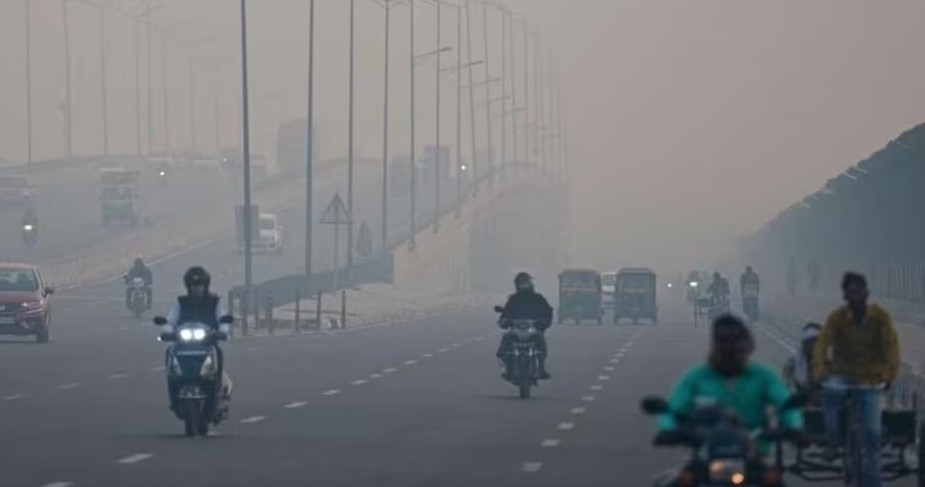
Every year, as October and November arrive, air pollution becomes one of the biggest concerns in several Indian cities. The Air Quality Index (AQI) in Delhi-NCR often reaches hazardous levels, raising concerns among schools, hospitals and residents. People begin searching for masks and air purifiers. But why does the demand for clean air seem to become urgent only during winter? The reality is that air pollution exists throughout the year. Winter weather conditions simply make the problem more severe and visible.
Why Does Air Quality Deteriorate in Winter?
According to the Commission for Air Quality Management, lower wind speeds and a reduced atmospheric mixing height during winter prevent pollutants from dispersing. Temperature inversion occurs when cold air near the ground gets trapped beneath a layer of warmer air. As a result, pollutants released by vehicles, industries and construction activities accumulate close to the surface.
Stubble burning in Punjab and Haryana during October and November adds to the pollution burden. Vehicle emissions, industrial discharge, construction dust, waste burning and Diwali firecrackers further worsen air quality. During the monsoon, rainfall helps wash pollutants out of the air, while stronger winds and better atmospheric mixing in summer help disperse them.
Why Does Pollution Receive Less Attention During the Rest of the Year?
Smog and reduced visibility make pollution more noticeable during winter. In summer and monsoon, clearer skies often shift public attention away from the issue, even though major sources of pollution remain active throughout the year. According to a November 11, 2026, report by the Centre for Science and Environment, vehicles and regional emissions, along with stubble burning, contribute significantly to Delhi's early-winter pollution.
Health Effects Continue Throughout the Year
Fine particles such as PM2.5 can penetrate deep into the lungs and enter the bloodstream. Long-term exposure may increase the risk of asthma, respiratory illnesses, heart disease and stroke. Children, older adults, pregnant women and people with existing health conditions are particularly vulnerable.
Clean Air Requires Year-Round Action
Experts say seasonal restrictions alone are not enough. Controlling vehicle emissions, promoting public transport, managing construction dust, preventing waste burning and regularly monitoring industrial pollution are essential throughout the year. Individuals should check AQI levels, limit outdoor activities when air quality is poor and use a well-fitted N95 mask when necessary.
Clean air is not merely a seasonal requirement; it is essential to every citizen's health and well-being. Public awareness and action against pollution must therefore continue throughout the year, not just during winter.
Hashtags: #Health #Bhopal #Why #Does #Clean #Air #Become #Winter #Concern #WhyDoesCleanAir



