


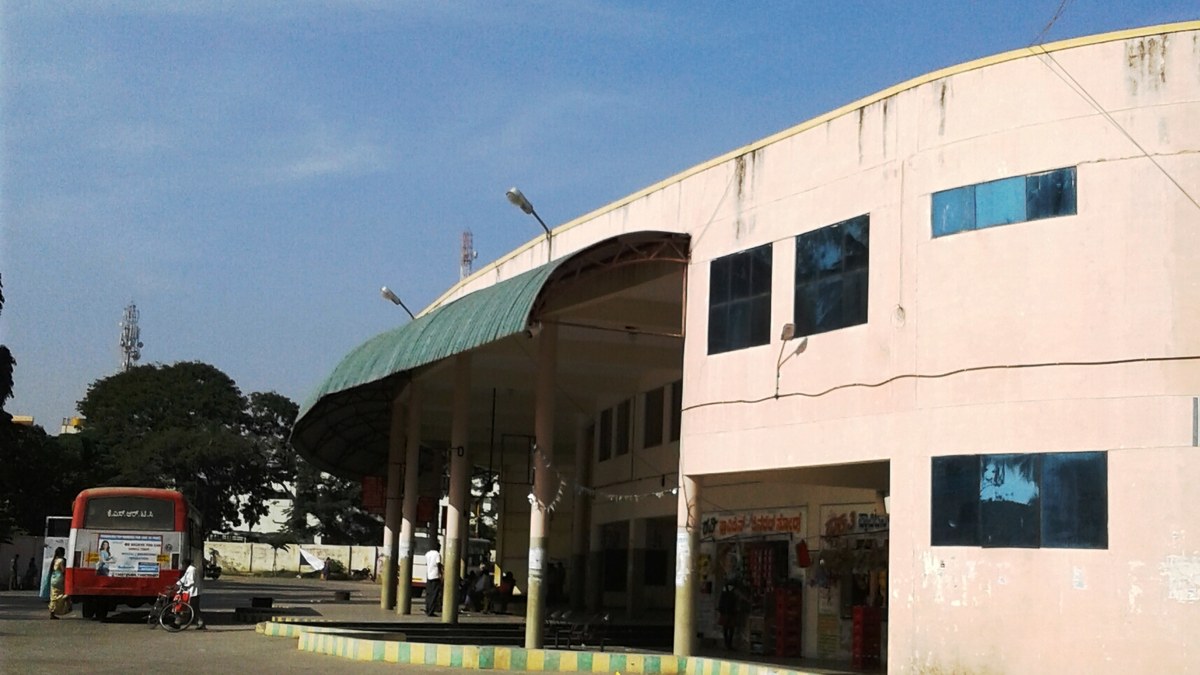
Prof tpms / Wikimedia Commons (CC BY-SA 4.0). Cropped.
In June 2019, a woman at the Pandavapura bus stand in Karnataka's Mandya district borrowed a stranger's phone for a call, then disappeared. Two years later the stranger, a construction worker named Rajesh, was arrested and charged with her murder. On 11 November this year police traced the woman, Manju, alive in Nagamangala taluk, in the same district.
She told police she had left home to escape an arranged marriage, later married another man, and did not know Rajesh, according to Hindustan Times, The Indian Express and The Times of India. Rajesh spent about two and a half years in jail before getting bail in 2024.
The murder case was registered in August 2021 after two men told Manju's father that Rajesh had confessed to them. Police said Rajesh then confessed during interrogation and claimed he had thrown the body into a canal. Rajesh says the confession was extracted through torture, including electric shocks, and threats to his family. Those allegations have not been tested.
Indian law already distrusts such confessions. A confession made to a police officer cannot be proved against an accused in court, under Section 23 of the Bharatiya Sakshya Adhiniyam, as under the old Evidence Act. Yet here, by the police's own account, a confession and the word of two men, with no body found, were enough to keep a man in jail for years.
Mandya police chief V.J. Shobha Rani said a deputy superintendent at Srirangapatna will inquire, and action against the investigating officer, now retired, will follow his report. In 2018 the Law Commission recommended a law to compensate people who are wrongly prosecuted.
Hashtags: #Karnataka #Police #Justice #Courts #Mandya #WrongfulArrest #PoliceConfession #Section23BSA #KarnatakaPolice #MandyaWomanFoundAlive




