


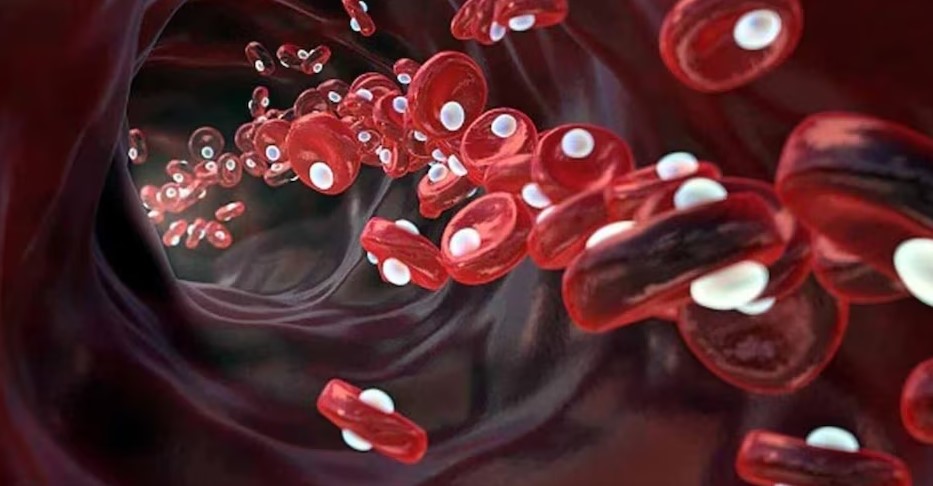
Low haemoglobin: identify the real cause before making dietary changes
CNN Central News & Networks / ITDC India ePress / ITDC News / Agencies, Bhopal:
If a blood test shows low haemoglobin, changing diet alone is not enough. It is first necessary to find out why the body is facing a shortage of blood. Iron deficiency is a major cause, but deficiencies of vitamin B12 and folate, kidney-related diseases, thalassaemia and internal bleeding can also reduce haemoglobin.
In women, excessive bleeding during menstruation, pregnancy and a lack of iron in the diet can be common causes. In some people, blood may continue to be lost gradually because of ulcers or other diseases in the stomach or intestines. Therefore, repeatedly taking iron tablets without knowing the cause is not advisable. Doctors may recommend tests such as CBC, ferritin, iron, vitamin B12 and folate as needed.
Beetroot is a healthy vegetable, but it is wrong to consider it an effective treatment for increasing haemoglobin. It contains only a limited amount of iron. Including green leafy vegetables, pulses, beans, gram, nuts and iron-rich foods in the diet can be more useful. Taking these with vitamin C-rich foods such as lemon, amla or guava improves absorption of plant-based iron.
Drinking tea or coffee with meals can affect iron absorption. If haemoglobin is very low, do not depend only on home remedies. Take treatment on a doctor’s advice and confirm improvement through repeat testing.
Hashtags: #Health #Bhopal #Haemoglobin #IronDeficiency #VitaminB12 #Folate #Diet #LowHaemoglobin #Thalassaemia #BloodLoss



