


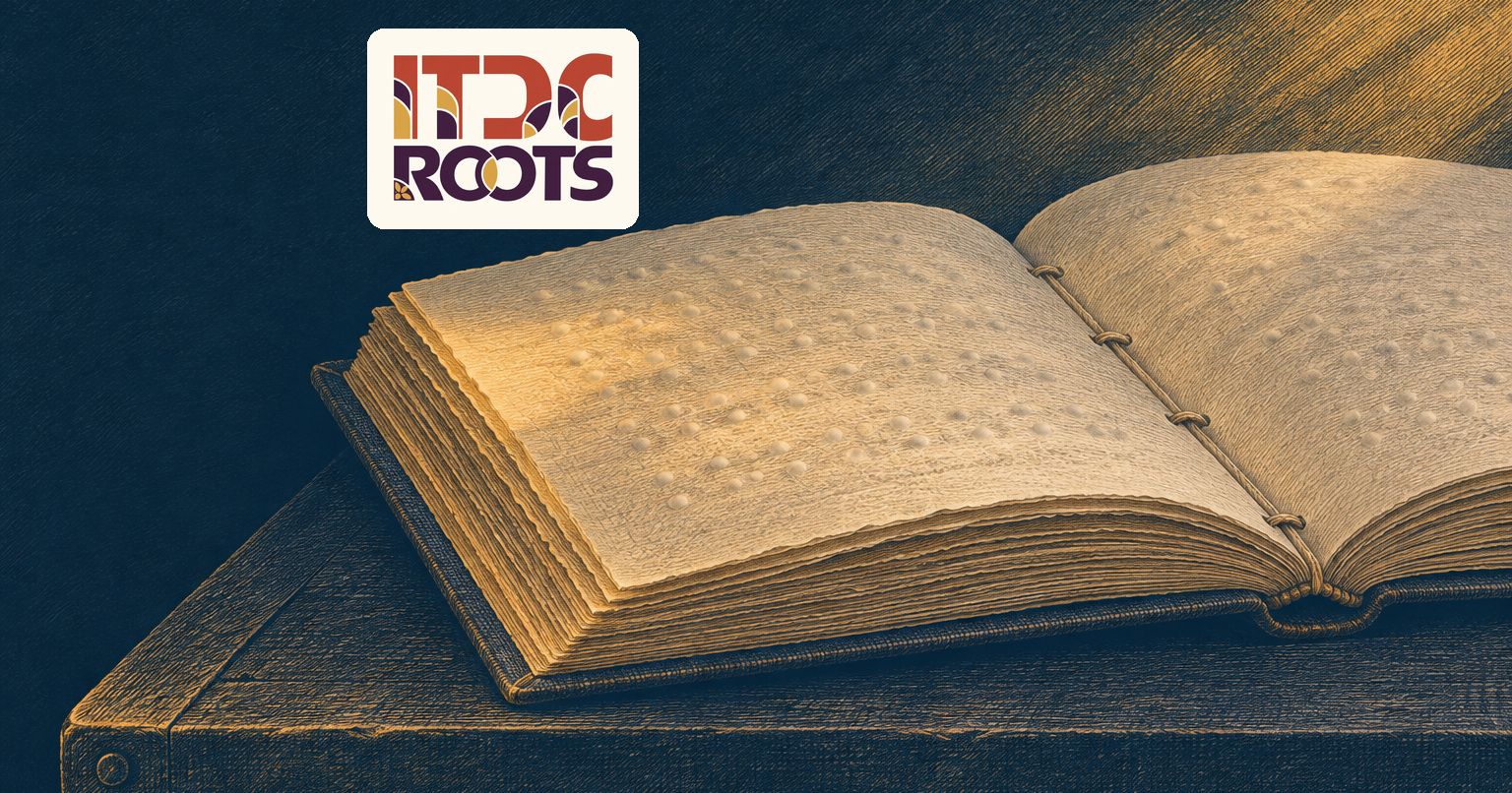
A book can leave a printing press without a single line of ink. Its words rise from the paper, to be read by touch.
At Dehradun’s Central Braille Press, established in 1951, publishing has long meant making that different kind of page. The institute describes a production system combining traditional methods with computerised Braille embossers. The machine matters, but so does the code that tells it which dots to produce.
A government reply to Parliament in March 2025 recorded the publication, on 4 January that year, of standard Bharati Braille codes mapped with Unicode for 13 Indian languages. This was a step in multilingual accessible publishing, not the invention of Braille or a claim that every book had become accessible.
The work extends beyond textbooks. In its own history, Kolkata’s Blind Persons’ Association describes building a press to supply higher education and general reading, including children’s literature. Readers need stories as well as lessons.
That is the Indian story behind the raised page: the language standards, the presses and the libraries all have to work together. An ink edition is only one way a manuscript becomes a book. For Braille readers, the journey ends at the fingertips.



