CNN Central News & Network-ITDC India Epress/ITDC News Bhopal: During Navratri, a large number of devotees observe fasts to worship Maa Durga. During this period, eating patterns change and many people go without food for long hours. In such a situation, people suffering from diabetes need to take special precautions. During fasting, changes in meal timings, consumption of carbohydrate-rich foods and alterations in the regular timing of medicines can cause blood sugar levels to fall or rise. Therefore, it is important to consult a doctor before observing a fast.
Consult a doctor before fasting. Fasting is not safe for every diabetes patient. It depends on the type of diabetes the patient has, how well their blood sugar is controlled and which medicines or insulin they are taking. Patients whose sugar levels often remain uncontrolled, or those who have previously had severe hypoglycaemia, meaning very low blood sugar, should be especially careful. For some patients, not fasting may be safer.
Do not change the timing of medicines or insulin on your own. The most important point during fasting is that patients should not stop diabetes medication on their own, nor should they reduce or increase the dose. When a person remains hungry for a long period, some medicines and insulin can cause blood sugar to drop very low. At the same time, unnecessary changes in medication can also increase the risk of high sugar. Therefore, patients should seek clear advice from their doctor in advance about medicine timings and dosage.
Eat sago and potatoes in limited quantities. During Navratri, dishes made from sago, potatoes, buckwheat flour and water chestnut flour are commonly consumed. However, the amount of carbohydrates in these foods and the way they are prepared can affect blood sugar. Avoid consuming large quantities of sago, fried potato items and sweet drinks. Fruits, curd without added sugar, paneer, nuts and other fasting-friendly nutritious options may be included in balanced quantities. Food choices should be made according to one’s health condition and the advice of a doctor or dietitian.
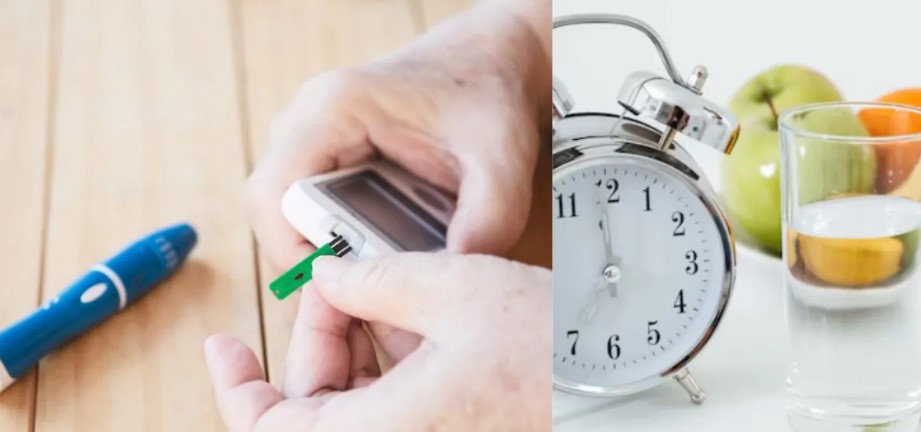
Check blood sugar regularly. Regular monitoring of blood sugar is necessary during fasting. Test as advised by the doctor and keep a record of glucose levels. If symptoms such as trembling, sweating, dizziness, intense hunger, weakness, nervousness or confusion appear, do not ignore them. These may be signs of low blood sugar. Excessive thirst, frequent urination and unusual fatigue may be symptoms of high blood sugar.
If sugar levels become too low or too high, or if health begins to deteriorate, give priority to health instead of continuing the fast and seek medical advice. In case of severe symptoms, get immediate medical assistance. Do not allow dehydration. If drinking water is permitted during the fast, drink enough water. Limit fried foods, excessive salt and sweet drinks. Avoid staying on an empty stomach for too long and doing excessive physical exertion. While breaking the fast, eat in balanced quantities instead of consuming too much food at once.
Giving priority to health is essential. For diabetes patients, the decision to fast during Navratri should be based on their individual health condition. Proper planning, regular monitoring and medical advice can help reduce risks. Along with religious faith, taking care of health is equally necessary.
Hashtags: #Health #Bhopal #Navratri #Diabetes #Fasting #BloodSugar #Insulin #Diet #DoctorAdvice #DiabetesPrecautionsDuringNavratri