CNN Central News & Network-ITDC India Epress/ITDC News Bhopal: Add Fibre During Navratri Fasts to Ease Constipation, Aid Digestion
Many people observing fasts during Navratri may face constipation, bloating and digestive problems. One reason for this can be a sudden change in diet, not drinking enough water and reduced fibre intake.
During fasting, eating more sabudana, potatoes and fried foods, while reducing the quantity of fruits and vegetables, can also lead to a lack of fibre in the diet. In such a situation, including fibre-rich, fast-friendly foods in the diet can help keep digestion better.
According to the National Institute of Diabetes and Digestive and Kidney Diseases (NIDDK) in the United States, taking adequate fibre along with drinking water and other fluids are important measures for relief from constipation. Fibre helps soften stool and makes it easier to pass. However, fibre intake should be increased gradually so that problems such as gas and bloating do not occur.
Which fibre-rich foods can be eaten during a fast?
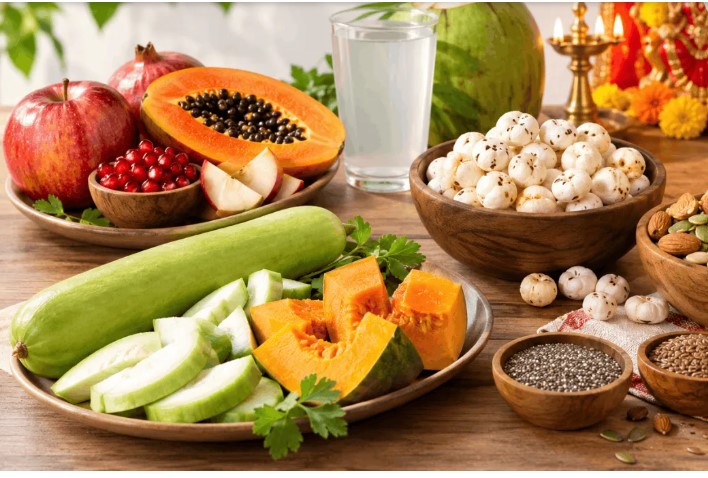
1. Fruits and their peels: Apples, pears and other fibre-rich fruits can be useful for digestion. Fruits with edible peels should be washed well and eaten with the peel to get additional fibre.
2. Dry fruits and seeds: Almonds, walnuts, flaxseeds and chia seeds contain fibre. These can be taken in limited quantities with fruit or curd. It is better to soak chia seeds and consume them with sufficient liquid.
3. Vegetables: Bottle gourd, pumpkin and other fast-friendly vegetables can be included in meals. They provide fibre and other nutrients. Cooking vegetables with less oil may be a better option.
4. Buckwheat and other whole-grain alternatives: Buckwheat and some other grains or seeds eaten during fasting can provide fibre. However, their quantity and actual fibre content depend on the product and method of preparation. Eating only buckwheat rotis may not necessarily meet the entire day’s fibre requirement.
Water is also essential for relief from constipation. Along with increasing fibre, it is necessary to drink enough water. If there is a shortage of water, stool can become hard and constipation may worsen. During fasting, continue drinking water according to your health, the weather and your physical activity. If a doctor has advised restricting fluids because of any illness, follow that instruction.
In addition, light physical activity and not holding back the urge to pass stool for too long can also help in regular bowel movements.
Avoid taking too much fibre at once. If you normally eat little fibre, suddenly consuming a lot of fibre can cause gas, stomach cramps and bloating. Therefore, add fruits, vegetables and seeds to the diet gradually. Instead of relying only on fried foods or low-fibre foods during fasting, choose balanced options.
If constipation persists for a long time, there is blood in the stool or there is constant abdominal pain, consult a doctor. In case of severe abdominal pain, vomiting and excessive abdominal bloating, seek medical help immediately.
Conclusion: Including fibre-rich fruits, vegetables and seeds during Navratri fasts, drinking enough water and remaining physically active can help maintain better digestion. The right diet can help reduce constipation during fasting.
Hashtags: #Health #Bhopal #NavratriFast #Fibre #Digestion #Constipation #NIDDK #FastingDiet #WaterIntake #FibreDuringNavratriFasts