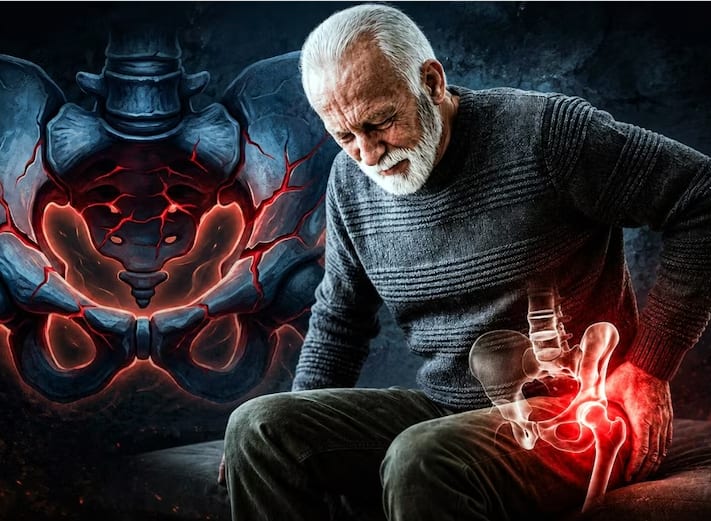
CNN Central News & Network-ITDC India Epress/ITDC News Bhopal: Minor Fractures From Small Injuries May Point To Osteoporosis As Cause
Sometimes, a bone may break after a minor injury, a slip and fall, or even during routine activity. Such a situation should not be ignored as merely an effect of ageing. The cause may be a condition called osteoporosis, in which bones become weak and less dense. This increases the risk of fractures, especially among elderly people.
What is osteoporosis? Osteoporosis is a condition in which bone density and strength begin to decline. Healthy bones continuously go through a natural process of breaking down and rebuilding. When the breakdown of old bone becomes faster than the formation of new bone, bones can become weak. In the early stages, the disease may not show clear symptoms. Many people come to know about it only when a minor fall or slight injury causes a fracture in the wrist, hip or spine.
Who is at greater risk? The risk of osteoporosis may increase with age. In women, bone loss can accelerate after menopause because of a fall in the level of the estrogen hormone. In addition, calcium and vitamin D deficiency, lack of physical activity, smoking, excessive alcohol consumption, low body weight and a family history of the disease can also increase risk. Some illnesses and long-term use of steroid medicines may also weaken bones. However, risk factors may differ from person to person.
How can symptoms be recognised? Osteoporosis often progresses without any early warning signs. Possible indications may include fractures from minor injuries, loss of height over time, persistent back pain and a forward stoop of the body due to pressure on the spine. These symptoms may also have other causes, so medical examination by a doctor is important.
How is it diagnosed and treated? To assess bone strength, doctors may advise a bone mineral density test based on risk. A DXA scan is used for this purpose. Treatment is decided according to the test results and the patient’s condition. It may include adequate calcium and vitamin D intake, weight-bearing exercises, a balanced diet and, when necessary, medicines that help strengthen bones. Supplements or medicines should be taken only on a doctor’s advice.
Measures to keep bones strong: Including milk, curd, paneer, ragi and other calcium-rich foods in the diet can be useful. Regular walking, exercises that improve balance, avoiding smoking and taking measures to prevent falls are also important. If a fracture occurs after a minor injury or bones break repeatedly, medical evaluation should not be delayed.
Hashtags: #Health #Bhopal #Osteoporosis #BoneHealth #FractureRisk #BoneFracture #BoneDensity #Calcium #VitaminD #DXAScan