


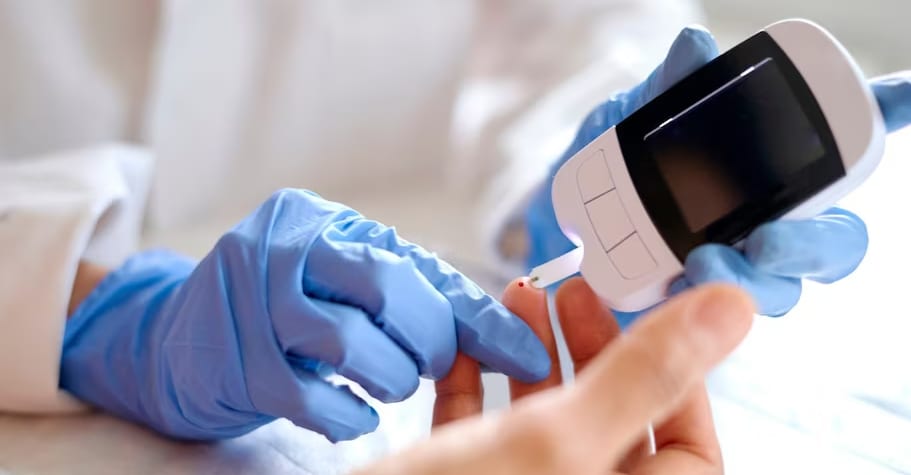
CNN Central News & Network-ITDC India Epress/ITDC News Bhopal: For patients with diabetes, keeping blood sugar under control is an important part of everyday life. Along with diet, medicines and regular physical activity, the habit of walking after meals may also be beneficial. According to Dr. Rajesh Khadgawat, professor in the Department of Endocrinology at the All India Institute of Medical Sciences (AIIMS), New Delhi, walking at a normal pace about 15 to 20 minutes after eating can help keep blood sugar under control.
Why does blood sugar rise after eating? Carbohydrates present in food are converted into glucose during digestion, which raises the level of sugar in the blood after meals. This is a normal process in the body. However, in people with diabetes or insulin resistance, sugar levels may rise more or remain high for a longer time. Moving around after meals helps muscles use glucose for energy. This can help reduce the rise in blood sugar after eating.
How long after meals, and for how long, should one walk? According to Dr. Khadgawat, walking at a comfortable pace about 15 to 20 minutes after a meal can be useful. In the beginning, walk for a short duration according to your capacity and gradually increase the time. It is not necessary to walk fast or do exhausting exercise to control sugar. The US Centers for Disease Control and Prevention (CDC) also advises starting with small goals, such as a 10-minute walk after dinner, for diabetes management. Regularity is important here.
Avoid brisk walking and heavy exercise. Suddenly walking fast or doing strenuous exercise immediately after eating is not suitable for everyone. It is better to start with a light to moderate-paced walk. If problems such as chest pain, dizziness or unusual breathlessness occur while walking, stop and seek medical help if needed. People suffering from heart disease or other serious illnesses should decide the right time and intensity of exercise after consulting a doctor.
Walking alone is not enough. To keep blood sugar under control, it is also necessary to follow a balanced diet, get adequate sleep, exercise regularly and take medicines as prescribed by the doctor. People taking insulin or some sugar-lowering medicines may face the risk of very low sugar during exercise. Such patients should monitor their sugar according to their doctor’s advice.
In conclusion, taking a light walk about 15 to 20 minutes after eating can be an easy and useful habit for blood sugar control. However, its effect may vary from person to person. Patients with diabetes should adopt it along with their treatment, diet and medical advice.
Hashtags: #Health #Bhopal #Diabetes #BloodSugar #Walking #AIIMS #WalkingAfterMeals #DrRajeshKhadgawat #CDC #WalkAfterMealsTo



